

Locked Out: Door County’s affordable housing shortage
Door County Knock is reporting an in-depth series on Door County’s affordable housing shortage, addressing questions such as why the county lacks affordable housing, how market trends have contributed to its decreased availability and what roadblocks exist to building more. Click here to read more.
If there are questions you’d like the answers to or people you’d recommend we talk with as part of our reporting, please email us at [email protected].
Nationwide, corporate investors are changing the landscape of manufactured home parks, including in Wisconsin. Assembly Bill 1049 proposes policy to strengthen protections and oversight for tenants of the parks, according to its supporters.
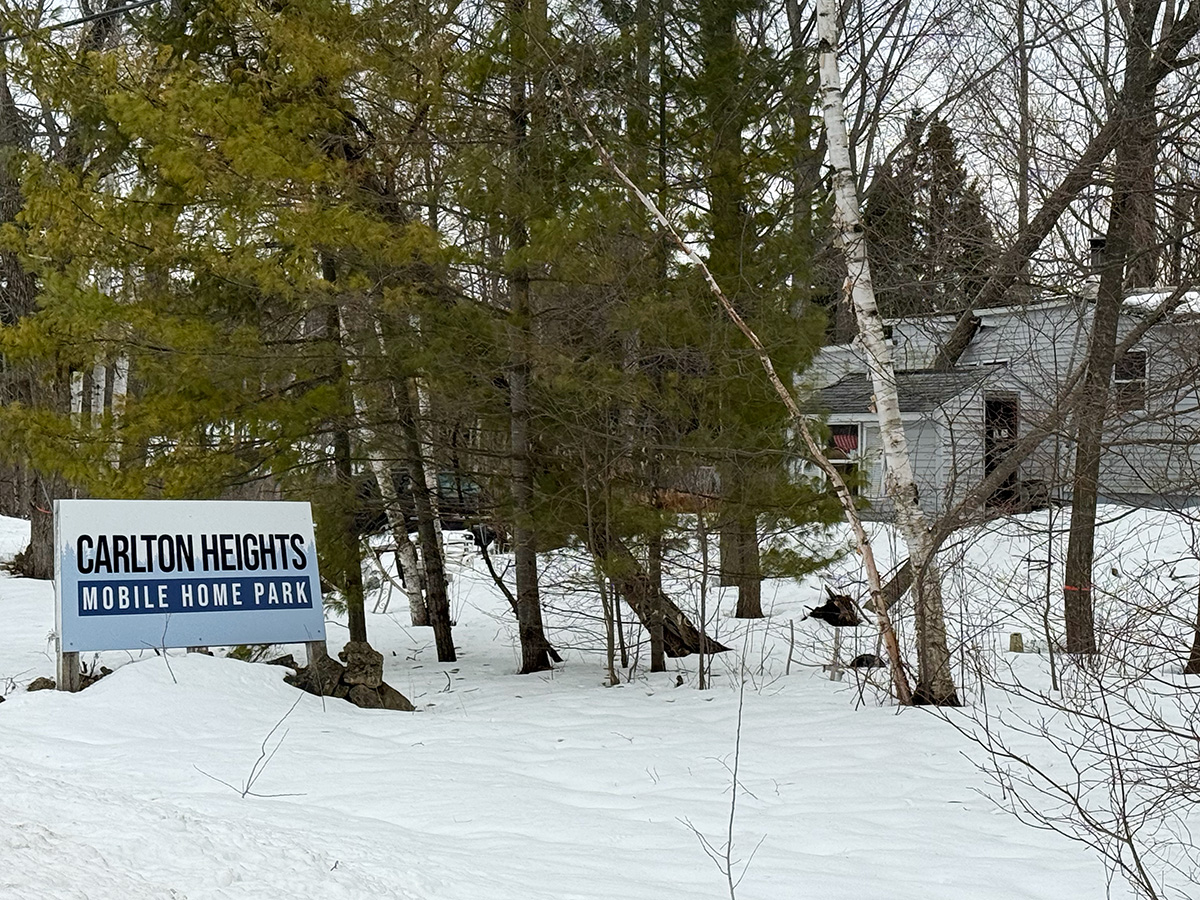
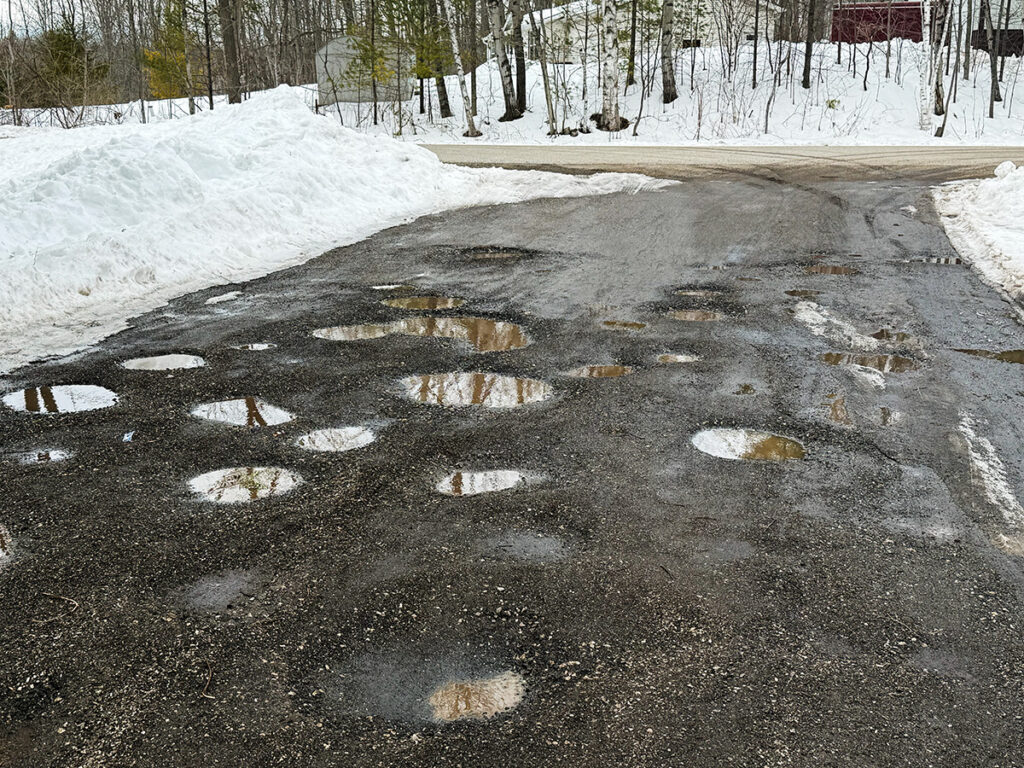
Earlier reporting by Knock on this issue highlighted parks like Carlton Heights, where resident concerns are fueled by rising rents and insufficient maintenance under out-of-state investor ownership.
AB 1049 addresses corporate consolidation, out-of-state ownership, rent rates and cooperative ownership models. The future for tenants, “mom and pop” park owners, and MHPs as an affordable housing option might be affected depending on how the legislature responds to the bill next session.
Rent increases and investor ownership
Since the inception of manufactured and mobile home living, parks have mostly been run as small independent, “mom and pop” style businesses. In the last decade or so, there has been a rise in corporate investors buying parks across the U.S.
According to an investigation launched in December by U.S. Sen. Maggie Hassan, a Democrat from New Hampshire and a member of the congressional Joint Economic Committee, corporate investors spent $9.4 billion in 2021 on MHPs, and 23 percent of all manufactured home community sales have been made to investment firms in 2020 and 2021.
Of the roughly 60 parks she oversees, a majority are owned by a handful of companies, according to Mariah Heiman, environmental health specialist for the Wood County Health Department. Most of those companies are in Wisconsin, she added, with a few out-of-state corporate owners.
Wood County is one of 16 Wisconsin counties that have delegated authority from the state’s Department of Safety and Professional Services for inspection and licensing of MHPs. Wood County’s public health department has a contract to oversee Adams and Juneau counties’ parks as well.
There are 23 MHPs in Door County, according to the 2022-2026 County Hazard Mitigation Plan. Many of them are made up of seasonal and year-round homes, and most are still owned by the individuals or families who have had them for years–the mom-and-pop style ownership model.
At least two MHPs–Thunderhill Estates in Sturgeon Bay and Carlton Heights in the Town of Egg Harbor-are owned by out-of-state companies or real estate investors. Some park owners described getting purchase offers regularly.
Lisa Baxter and her sister own Willems Court, in Little Sturgeon, a small park that the siblings inherited from their parents 25 years ago. Baxter said she receives phone calls “all the time” to buy the park, and though she is not interested in selling, the offers are tempting. The park needed electrical upgrades a few years ago, and it took most of Baxter’s life savings to pay for it, she said.
Corporate owners and real estate investors often raise lot rents after they buy a park. Raising rents to be in line with market demands is a strategy taught by investment seminars to increase returns on investment. From 2023 to 2024, MHP lot rents grew more than five times the pace of traditional apartment rent increases, according to Sen. Hassan’s investigation.
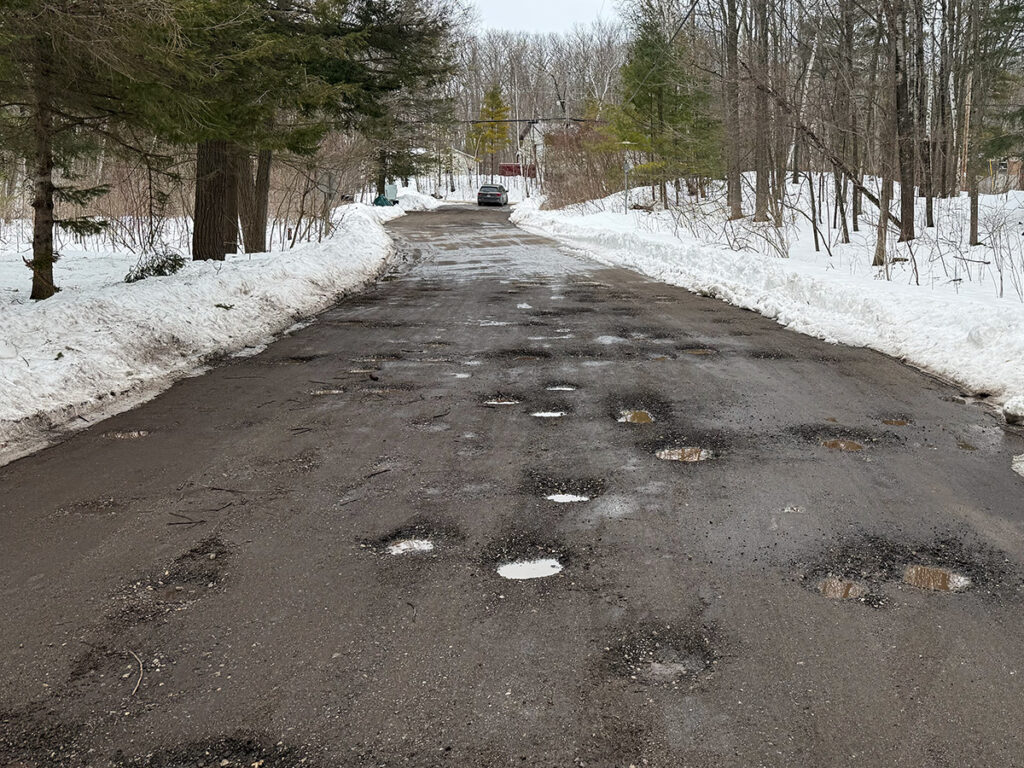
The current owner of Carlton Heights is Abraham Anderson, a real estate investor from Tennessee who owns at least 85 MHPs in several different states. In a podcast about MHP investment, Anderson described his “turnaround” strategy for making a park profitable when he takes ownership as a combination of selling park-owned homes to tenants and raising rents.
“Raising rents, because that’s the easiest,” Anderson said. “Costs you a postage stamp to raise the rent.”
When Anderson purchased Carlton Heights, his company did just that. On June 1, 2024, rent went from around $300 per lot to $485 per lot. Another increase occurred in 2025 and the current rent for the land beneath residents’ homes is $565.
AB 1049 would limit lot rent increases in MHPs to keeping pace with inflation, a move opposed by some park owners. Frederick Hegeman, who runs a 27-lot park in Three Lakes, Wis., is against rent caps in AB 1049 because of the impact on his ability to financially sustain his park.
In an email to the Wisconsin Housing Alliance about the bill, Hegeman noted that costs for insurance, water, sewer and infrastructure have “increased at nearly 80% over the last five years,” and warned that strict limits on rent hikes could force responsible owners like him to sell to corporate investors.
“I am not one of these out of state-corporate conglomerates who seek substantial return on my investment,” wrote Hegeman. “I remain as an owner because I care about my community. I clearly understand what an out of state entity will do to my current park and the residents that live there.”
The resident ownership model
One of the protections in AB 1049 is that when a park is to be sold, residents receive 12 months’ notice and first right of refusal to purchase the park. When residents purchase their MHP, it becomes a cooperative ownership. This model is encouraged and supported by the Wisconsin Manufactured Homeowners Alliance, or WISMHOA.
There is no comprehensive listing of cooperative MHPs in Wisconsin available, but according to Wisconsin Watch’s reporting, there are at least three cooperative parks in the state.
Wisconsin lags behind other Midwest states like Minnesota and Illinois in its number of resident-owned communities, according to WISMHOA. When home owners own the land as well, rents stabilize and residents are empowered to make their own choices about maintenance, infrastructure and park governance, Steve Parliament said. Parliament is the WISMHOA treasurer and lives in the first resident-owned cooperative MHP in Wisconsin–Countryside Park Coop in Cumberland.
Financing is one of the biggest structural barriers to the cooperative model.
Because most manufactured homes are owned by a resident, but the land beneath them is rented, manufactured home buyers usually use chattel loans versus traditional mortgages. Most banks and mortgage lenders do not offer loans for manufactured homes, unless they are “attached” to the land via a foundation. Virtually none of the homes in MHPs have foundations.
Chattel loans are essentially personal property loans, and they have higher interest rates, usually by several percentage points. Manufactured home owners who live in a park and rent the land beneath their home build less equity. It is also difficult to get loans for older manufactured homes.
Conversion to a resident-owned community model is difficult, Parliament said, which is why organizations like WISMHOA and Resident Owned Communities USA, or ROCUSA, exist. If residents want to buy their park, they must compete against real estate investors with deep pockets. If a community would like to organize and buy their land, they need the help of a nonprofit holding company to secure the financing. ROCUSA and WISMHOA assist with this.
Local housing nonprofits like Lakeshore CAP can take on the financing and act as an intermediary, Parliament added.
He cited a UW-Madison analysis that compared operating costs of housing owned by an absentee landlord, or someone who does not live on-site, versus co-op owned housing. This study found co-op housing is 18 percent cheaper to operate.
“They do their own work, cut the lawn, rake the leaves, shovel snow, collect rent, market units, keep books, budget and determine rents,” Parliament said. “That whole process eliminates administrative overhead and the profit margin for an absentee owner.”
Opponents of AB 1049 contend that most cooperative ownership arrangements fall under a limited-equity ownership model, where residents can buy a share in a property but their potential profit when selling is capped, keeping the home more affordable for future buyers.
As a result, according to Wisconsin Housing Alliance’s Bliss, cooperative owners may take on debt and infrastructure costs without gaining meaningful equity if the community is later sold.
An avenue with surmountable roadblocks
MHPs are legitimate options for workforce housing in Door County, Parliament said.
They are allowed with a conditional use permit in Countryside, Heartland, Rural Residential, and High Density Residential zones within Door County’s comprehensive zoning code, according to Behling, the county Land Use Services director.
In the last 10 years, at least two affordable workforce housing projects based on an MHP model failed to get conditional use permit approval, after neighbors turned out in force.
The “trailer park” stigma clings to MHPs, Parliament said, but education and marketing can go a long way to combating that stigma. A well-run, resident-owned MHP can provide affordable housing for low-income households, people with disabilities, senior citizens, migrant and seasonal workers and young families, he said.
One barrier to the model as affordable housing that is specific to Door County and other rural areas is the lack of public infrastructure. An MHP works the best when it is connected to municipal sewer and water systems. Thunderhill in Sturgeon Bay has access to that municipal system, but Carlton Heights, Willems Court and other rural parks have to rely on holding tanks and private on-site wastewater treatment systems, or POWTS, which can be costly and need regular maintenance.
Some state and municipal governments elsewhere are addressing water infrastructure in MHPs and helping to finance their maintenance in the interest of public and environmental health.
For some Door County residents, manufactured home parks are an affordable path to home ownership if lawmakers and community leaders can address oversight organization, infrastructure and maintenance issues, and investment pressure.