

Door County’s April 7 elections include races for school board, the Door County Board of Supervisors, municipal governments and a Southern Door School District operational referendum.
County board supervisors serve a two-year term and elections fall in April during even-numbered years. This cycle there are six seats up for grabs, with an additional one remaining vacant. Knock sent the same three questions to all of the candidates running in a contested race.
The questions focused on empathy and ability to step outside one’s own perspective; access and equal representation; and how nitty-gritty policy decisions affect the “big” questions faced by county governments.
All candidates were sent the questions at the same time and given the option to answer them via phone or email. All answers are published in their entirety and were edited for clarity only.
Questions
- Tell me about a time when listening to someone with a very different experience or viewpoint changed how you thought about a local issue. How will you incorporate different viewpoints and experiences into your decision-making as a county board supervisor?
- When the county board is making decisions, some residents are much more likely than others to show up and speak. Should county leaders account for that? How? There have been suggestions made about changing meeting times, having virtual access to all public meetings, and recording meetings (either audio only or audio and video) including oversight committee meetings. What are your thoughts on more access?
- Politics tries to answer the “big” questions – How do we handle poverty? Housing? How do we make our community safe? – with policy. As a potential elected representative of your district, what big question is a priority for you? How can policy address that question?
Contested districts
Click the links below to jump to the corresponding section of the Q&A.
- District 3 (Clay Banks, Forestville, Nasewaupee)
- District 9 (Sturgeon Bay)
- District 10 (Sturgeon Bay)
- District 16 (Egg Harbor, Jacksonport)
- District 17 (Jacksonport, Baileys Harbor)
- District 21 (Washington Island, Liberty Grove)
District 3
This district encompasses the Town of Clay Banks and parts of the towns of Forestville and Nasewaupee. The position was filled by Roy Englebert until his Nov. 24, 2025, death and has remained vacant since.
Jason Tlachac
Did not receive responses in time for publication.
Jan Guilette
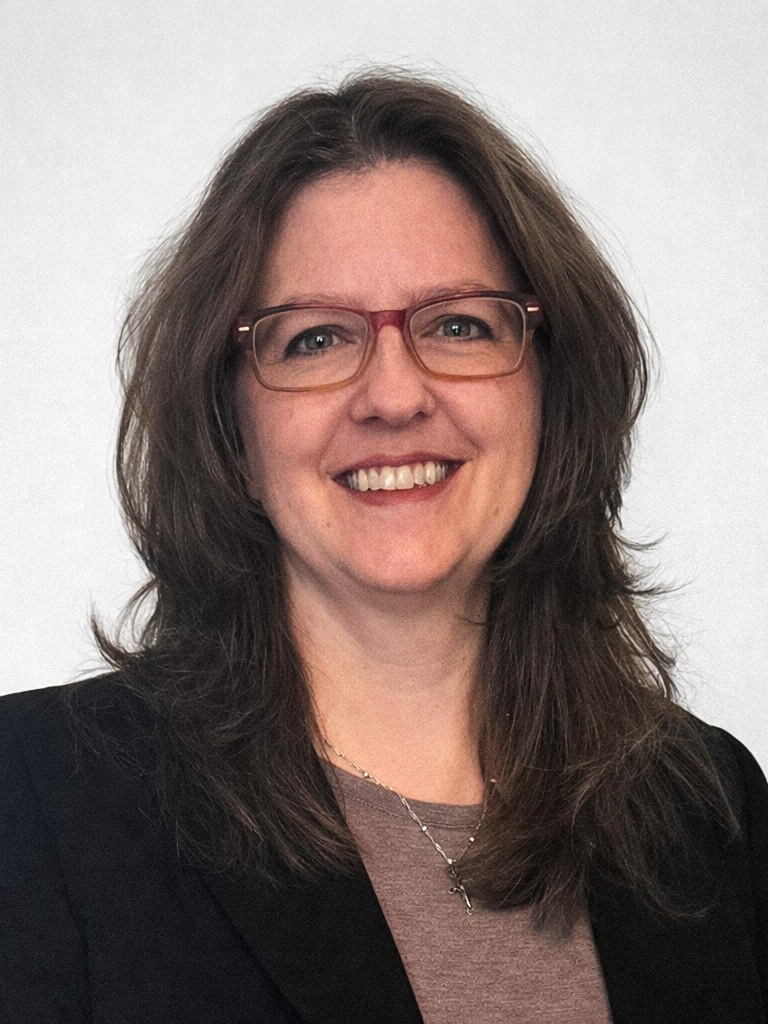
(via phone)
1. Empathy and other perspectives
There are a lot of different local issues, both municipally and at the county level. The one that’s on many people’s minds right now would be the Younkers building on Fourth Avenue in Sturgeon Bay.
I love the Door County Historical Museum. I am in support of it being a county-run museum, and I think it’s great that it’s free for residents and visitors, because I think our heritage is a big part of who we are in Door County. It really defines what people think of when they think of Door County.
So initially, I was in support. As a builder, I am also into renovating and reusing space and so forth. As the years have gone by, especially recently, there have been a number of both supervisors and general citizens who are concerned about the rising costs.
(Listening) to more of the points being brought up, and listening to people’s comments at the county board meeting, I think if I had been on the county board when the vote was taken earlier this year to move forward with the project, I may have voted no given the information that was presented recently.
If elected, with the cost of the project coming in, that may influence my decision again, and I may flip the other way. if my constituents and neighbors around me in District Three feel differently about it, I could change my mind again.
I’m sure that the board members, especially the committee members who are recommending things move forward, have all sorts of information. They’re not going to present every single detail they have at county board meetings and out to the public.
So once privy to more information, that may influence my decision more. And I think if I am elected, I would want to bring that back to the people of the county and make sure that people have informed opinions on it.
2. Access and representation
Some residents are more likely than others to show up and speak. Typically, if people are happy with what’s going on, they don’t show up. Usually people only show up to complain. Once in a while, you get someone showing up to say thank you or to make comments, but more often than not, that’s when we become concerned—when things are not going well.
Even me as a resident, if things are going okay, I don’t feel the need to speak up. I would hope that anyone at any governmental level understands that and takes that into consideration—that those are the voices that are going to be heard.
However, I think public comment is good. I think that at the county level meetings, people have basically three different ways to participate. People can send in correspondence, so if the meeting time does not work for them, they can always send something in, and that will be distributed to the board members and supervisors. Obviously, there is public comment. If someone can’t be there in person, they can attend online. I think the county board meetings are accessible from that standpoint.
Getting into the oversight committee and the individual breakout committees, some of that could be more public. But along the same lines, I think you would still really only have participation from people who have a strong interest. At this point, I think making those more public—there is a cost related to recording and posting on YouTube. That’s time that someone needs to take to record and put all that out there. Is that really a cost and time that’s worth it?
Minutes are available. People still have the option to present or bring their concerns back to the board.
I think things are okay the way they are in general—just making sure that the minutes are accessible, as they are now. Educating people on how to find them wouldn’t hurt, letting people know how they can get access.
The county online site is pretty easy—if I need to look at something the Resource Planning Committee did, it’s easy to find. I know all of the notices are published in the Peninsula Pulse. You can read through the legal notices and see what meetings are coming up.
So the information is out there for people who are looking for it, which I think is good. But maybe just letting people know it’s there is fair, because I think quite often people get their information from social media or from comment threads or just talking to neighbors, and maybe they’re not completely informed.
3. Policy and big questions
Addressing big issues with policy can be hard, because I think some of the big issues, for example, poverty is hidden. We look around and see affluence in Door County, but there is poverty, and those things do need to be addressed.
That particular issue is something that I feel is more of an individual, neighbor-to-neighbor effort. Philanthropy. For example, there’s a new transitional shelter being proposed that Habitat for Humanity and some churches are working on putting together. I think that’s a good thing.
As a county, if there is a group or nonprofit that wants to start something like that, we should make sure our ordinances aren’t impeding people trying to help their neighbors, whether it’s a shelter or housing or things like that. The county should make sure that’s allowed and they’re able to operate without unnecessary restrictions.
One thing I’m more familiar with, being a builder, would be housing. Housing is an issue in our county—the availability of housing in general, and on another level, affordability. There have been quite a few apartment buildings that have gone up in Sturgeon Bay, and I know that has maybe addressed the number of units available, but they’re not necessarily affordable to working families.
I like what the Door County Housing Partnership is doing, but again, their model involves a lot of philanthropy. They’re looking for people to donate money to cover at least half, if not more, of the cost of a house. But I think it’s a great effort, and we’ve certainly helped out with that. (Editor’s note: Knock is aware that Door County Housing Partnership contributes a subsidy toward the purchase of homes. We were unable to determine whether the money raised was at least half of the homes’ values.)
From a policy standpoint, I think right now the zoning ordinance is pretty good as far as size of housing. A couple of years ago, the City of Sturgeon Bay made some changes—they reduced the minimum house size from around 1,400 to 1,200 square feet, reduced some lot sizes, and reduced setbacks to allow for denser, smaller housing. I think that does a lot to reduce the cost of new construction.
So right now, the zoning minimums are fairly small already. I don’t think anything needs to be done there. But maybe looking at cases where someone is trying to rezone or reduce setbacks—that’s something we could look at to allow for some density in different areas. Because the more land you need, the more upfront cost you have, and land in Door County isn’t cheap.
Supporting those efforts to make housing more affordable is important.
As for making communities safe, something like the new EMS station being proposed—I think that’s a good thing. Supporting law enforcement and making EMS services more efficient are good steps.
Some things are left up to municipalities and individual neighborhoods—what people are willing to allow in their backyard. Those are things the county doesn’t necessarily have much influence on. But however we can, even in a small way, give municipalities and neighborhoods the ability to focus on these issues, that’s where I would be in support.
Definitely, I would say housing is my one priority. Whatever the county can do—within its limits—to influence that, I would support.
District 9
The district includes wards within the City of Sturgeon Bay. Ryan Shaw is the incumbent. Amy Austad LaBott lives in Sturgeon Bay and owns Door County Ace Hardware.
Ryan Shaw
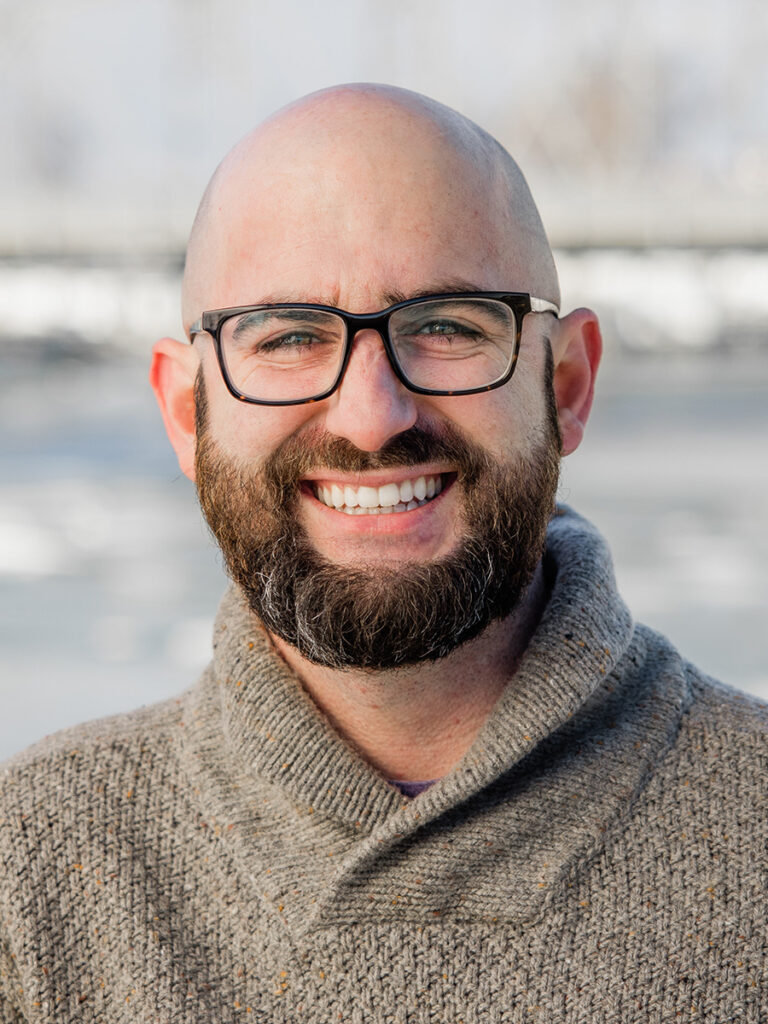
(via phone)
1. Empathy and other perspectives
My background is in theater, that is what I studied for undergraduate, and have worked full time in it since 2012. As a result, collaboration has always been how I understand things to build. I want to hear from as many people as possible. I want different viewpoints. I love it when people are so well-informed on a subject that they’re able to change minds, mine obviously being one of them.
I never got into this position (as county supervisor) thinking that I, Ryan, have all of the ideas. I got into this thinking that I am a person who knows how to collaborate, who knows how to listen and who knows how to implement ideas from lots of different people.
An example of a time where other people’s input changed my mind is the communication towers project. The county has been working on this project, and set up funding by having a sort of subscription fee for all municipalities to spread out the costs. Different members of different municipalities, different fire chiefs, came to the county board and spoke about the negative impact that was going to have on the municipalities.
It made logical sense to me initially–they’re going to be using the service that the county is paying a lot more money for, and it would make sense for them to pay that subscription fee. But I came to understand that that does not work for them–the municipalities will not be able to afford that.
This kind of flexible thinking is really important. I go in to a meeting prepared and understanding what’s going on, but I also go in to them knowing there are a lot of experts in a lot of different areas. Listening to what they have to say is really important.
2. Access and representation
I believe there is a responsibility from the county board supervisors to have an understanding of what their constituents want. That can be through having conversations ahead of meetings, or listening and collaborating during those meetings. But I believe that all governments are better when the constituency is richly involved.
The constituents are actually one of the governing branches that people often forget about. You work together. You’ve got your elected officials who are making decisions, but the constituents are a part of that.
They put you in those positions, they can take you out of those positions. You have a duty to work with them to get the best outcome for your district. So yes, I do believe that it is important that people have as much access as possible.
I would love to see a quarterly county board meeting at a more accessible time, maybe later in the day, five’o’clock, six, seven. We’re missing the mark on that and there are not enough opportunities for a broad cross section of people across this county to be able to speak.
We do have constituents that come to meetings. We do have people that can email, and we read those, but having more opportunity on a regular basis to attend meetings only enriches what we as a body are able to do.
As far as recording, a transparent government is a government that’s functioning. Better to go and understand what’s happening and be able to ask those questions. I do think that it would be valuable to record committee meetings.
I don’t know about the other supervisors, but I’m not able to get to every single committee meeting, besides the ones I’m on. I have a full-time job and a family too. So having more accessibility and more coverage only benefits the whole body and the greater Door County.
3. Policy and big questions
The most pressing issue is strengthening the environmental strategic plan for our county. We have a plan, but it is not all-encompassing and it allows for a lot of bad things to happen to our environment.
For example, a lot of people have been up in arms about a recent CAFO permit application. I think that our farming community is one of the things that makes us strong. It’s part of our roots. But if we leave people unchecked, then there is a potential for bad actors. There is unique land here in Door County with the karst soil. Nitrates run off from those cows, and PFAs, forever chemicals, are running into people’s wells and running into our bay and lake. The Great Lakes are the largest freshwater bodies in the world. To me, it’s a no-brainer.
Kewaunee County has an environmental strategic plan, and Brown County has one–they are stronger than ours, and it’s time that we have a stronger one. The unique landscape of Door County, of our beautiful environment, is what makes it so special, and that’s what drew people to live here long ago, and start traveling here.
What sets us aside is our environment, and I think that that is priority number one, two and three.
Amy Austad LaBott
(via email)
1. Empathy and other perspectives
I don’t have a specific experience that sticks out in my mind that changed my viewpoint. I do know that there are always two sides to every story, and I try not to form an opinion until I am absolutely sure that I have all the information gathered to form that opinion. As a county board supervisor this is what our job is, to listen to all constituents whether they are in my district or not and make sure we are making the best decisions for the county as a whole.
2. Access and representation
In today’s society, there are so many ways to communicate. Some prefer letters or emails, some prefer phone calls or text, some prefer Facebook, some like to speak in person. We need to have multiple avenues for our constituents to voice their opinions. As a county board supervisor, it is our duty to make sure that our constituents can tell us about their opinion in their preferred form of communication. Then it is on us to make decisions that are in the best interest of the county based on all forms of communications and the opinions that are presented to us.
3. Policy and big questions
I think for our community housing is a big concern. We need to make sure that as a county we have policies in place to help the current housing shortages, both long term and short term, as well as make sure that the county isn’t overloaded with too many housing options creating a huge surplus in the future.
District 10
This district represents wards in the City of Sturgeon Bay. Phil Rockwell is the incumbent, and Alexis Heim Peter represented the district before choosing not to seek re-election in 2024.
Alexis Heim Peter
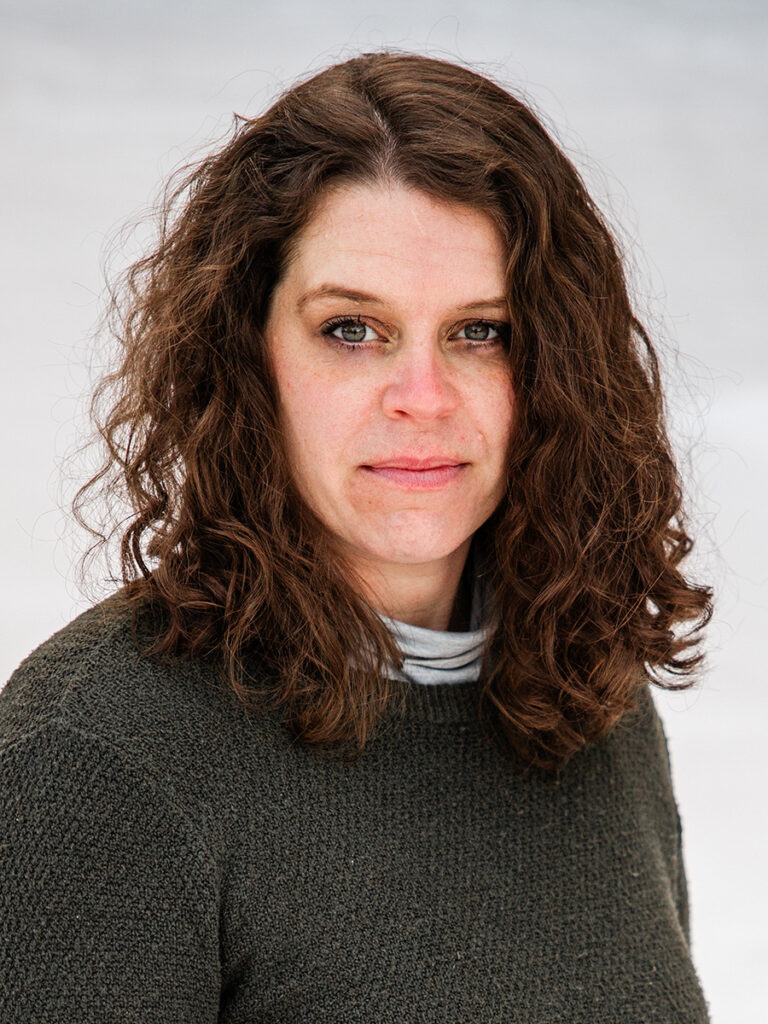
(via phone)
1. Empathy and other perspectives
I don’t really come into things with a firm opinion yet. I withhold judgment and wait hear from a lot of different people, and ask questions to figure out how to move forward on something. As a government employee for the state, I understand the county board members are not the topic experts on a lot of things. Relying on the topic experts and keeping their experiences and perspectives, I think that is critical.
Hearing that information either expands my initial thinking or it evolves. The board is about prioritizing and budgeting according to what those experts are putting forward. I may not always agree personally with how something might go, or I think I have different idea, but at the end of the day, you need to weigh what is in the best interest of the community and future generations against my interests.
A specific example was the Emergency Management Services’ transport arrangement with the hospital. I have a perspective that public services should not necessarily compete with private business when a private business is willing and able to fill the service need in a reasonable way. Effort had gone in to recruiting private ambulance services, but it was beginning to impact patients. Having the county take emergency transport over was something that I was originally unsure about–dedicating county resources, it was more equipment and staff and load on the county operations.
But EMS director Aaron LeClair and the hospital came to an agreement, answered a lot of questions, and gave us an off ramp. And it benefits both sides at this point. I ultimately ended up supporting the plan.
That is a specific instance of where I have an inkling, I come with an inkling, and we go from there.
2. Access and representation
This is a timely question. As a working mom of two young boys, I understand the commitment and the struggle to stay connected. My ideal local government is the most by the people, for the people as it gets. When only a certain group of people are showing up, then the government is only working for those people.
Larger cities have done some interesting things with the 24-hour economy and having accessible government services around the clock. I’m not sure Door County is there yet, but the county is unique and sometimes we do operate as this a big city, even though we have a small year-round population.
There are ideas I would be interested in exploring with a group of experts. The when and the where of these meetings should be readily reviewed and revised, and if there’s enough support with more working folks on the board, it could be a topic of discussion with the Administrative Committee and the chair and the administrator.
I support changing meeting times to be more accessible, but I don’t want to assume that I know what works best just because it works for my schedule. I would like to see some sort of outreach. There’s all kinds of things I think the county could do better as far as making meetings more accessible. As far as recordings, I put my government hat on and think about records retention and the logistics of that you’d have to consider, but I don’t think it’s a bad idea.
Also, something I think about is that federal web accessibility requirements are coming into effect for local governments in April, so the county has to look at not just making recording and meetings available but how accessible they are to people with disabilities. If elected that would be one of my first questions.
How to make things digitally accessible, and how to make things accessible to people with disabilities? I take those things pretty seriously and have committed a lot of thought time to make things better. Hopefully we can see some improvement.
Overall, I think the county does a pretty good job of making at least the full board meetings available, and those are recorded, but the committee meetings are really where work happens. I think more opportunities for people to get involved and have their voices heard is always my goal. If the meeting schedule is a huge hurdle for that, then the board should be all about making adjustments to serve people.
3. Policy and big questions
The big topics for the county are workforce housing, child care costs and access to quality child care. I’ve worked with United Way during Covid time and through the new daycare development. Child care is a big issue.
I support having some sort of county-wide environmental plan, and I saw the Community Health Survey results about isolation being an issue.
Those are the things I tend to think about and that impact my life and cohort of friend and family groups. The overarching issue is affordability though. How do we support our impoverished community members?
Like disability, we are all time and luck away from poverty. The county role in policy discussions about affordability can touch on those child care initiatives from United Way; getting creative and partnering on affordable housing projects.
All of these county initiatives and the big policy questions move the needle, and the county government is a large organization with human resources and staff costs. Those costs of operations are skyrocketing, the county is not insulated from them.
So whether we’re talking about the middle EMS station, or we’re talking about the archives and museum project to take care of our Door County heritage, or child care, or a housing initiative, it’s all a question of priority, and handling daily costs and keeping costs contained and prioritizing the projects that move us forward.
But I don’t have all the answers. Government and creativity don’t often sideline with each other, but I’d like to see some creativity with public-private partnerships. We are a very philanthropic community in Door County, and there are unique problems that require unique solutions. We also have a large “rainy-day” account. When I was on the board before, I kept pushing, “when are we going to admit we’re starting to get wet, it’s raining, we should probably tap into that (rainy) day fund.”
There’s a lot of priorities that need to be balanced, and I think the county is uniquely situated with the rainy-day fund. We also have great partners when we choose to take care of those relationships. I would like to find opportunities for partnerships and that public-private collaboration to make sure the county gets back to being affordable for its workforce.
Phil Rockwell
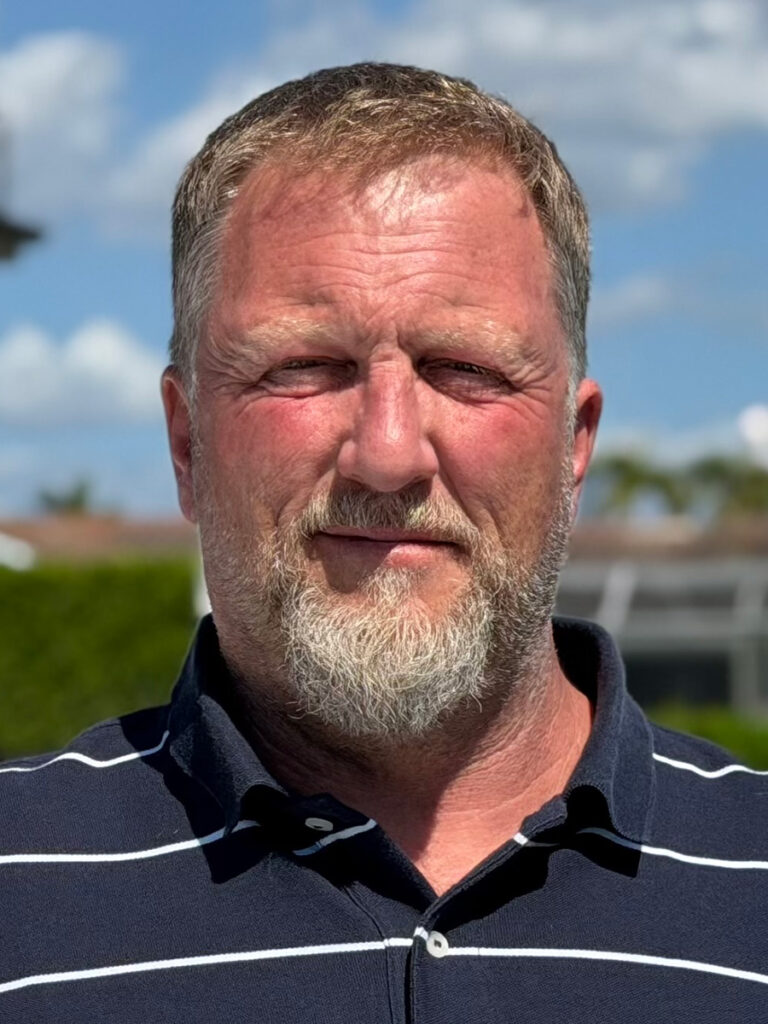
(via email)
1. Empathy and other perspectives
Growing up in Door County and spending years bartending at local establishments, I’ve had the chance to talk with just about every kind of person. When you’re behind the bar, you learn quickly how to listen. Sometimes I agreed with people, sometimes I didn’t, but those conversations helped me understand where folks are coming from. Owning businesses and rental properties has also given me a different perspective. Working with tenants and customers over the years has shown me that everyone’s situation is a little different, and what seems simple on paper can be more complicated in real life. As a county board supervisor, I think it’s important to listen to people from all sides before making decisions. I may not always agree, but I believe you make better choices when you take the time to hear your neighbors out.
I am not a politician, I’m a carpenter, business owner, a son, husband (and) father of three and I understand conflict and different viewpoints.
2. Access and representation
Not everyone can make it to a county meeting, and the folks who do show up don’t always have a full picture of the community. People are busy with work, kids, and seasonal jobs, especially here in Door County. That’s something county leaders should keep in mind.
I support making meetings easier to access. Recording meetings and making them available online (is a) simple way to keep people informed, especially for those who can’t attend in person. Virtual access can also help residents stay involved without having to drive across the county on a weeknight. At the same time, in-person meetings are still important. The goal should be making sure more people have the opportunity to see what their county government is doing and have their voices heard. Transparency and access help build trust, and that’s good for everyone in Door County.
3. Policy and big questions
One big question I think about is how we keep Door County a place where working people,
families, and the aging population can afford to live here. Over the years, we’ve seen housing get harder to find and more expensive, especially for the folks who work in our restaurants, shops, construction, and service jobs that keep the county running. Policies can help by making it easier to build reasonable workforce housing and by working with the local communities and private developers to find practical solutions. It also means being careful with how county dollars are spent so we don’t add unnecessary costs that get passed on to taxpayers. Door County has always been a place where people work hard and look out for their neighbors. I think county policy should focus on keeping our communities strong, supporting local jobs, and making sure the next generation can still afford to live and raise a family here.
District 16
This district represents the Village of Egg Harbor, and wards in the towns of Egg Harbor and Jacksonport. David Enigl is the incumbent, and Theresa Cain-Bieri is currently the treasurer for the Town of Gibraltar.
Theresa Cain-Bieri
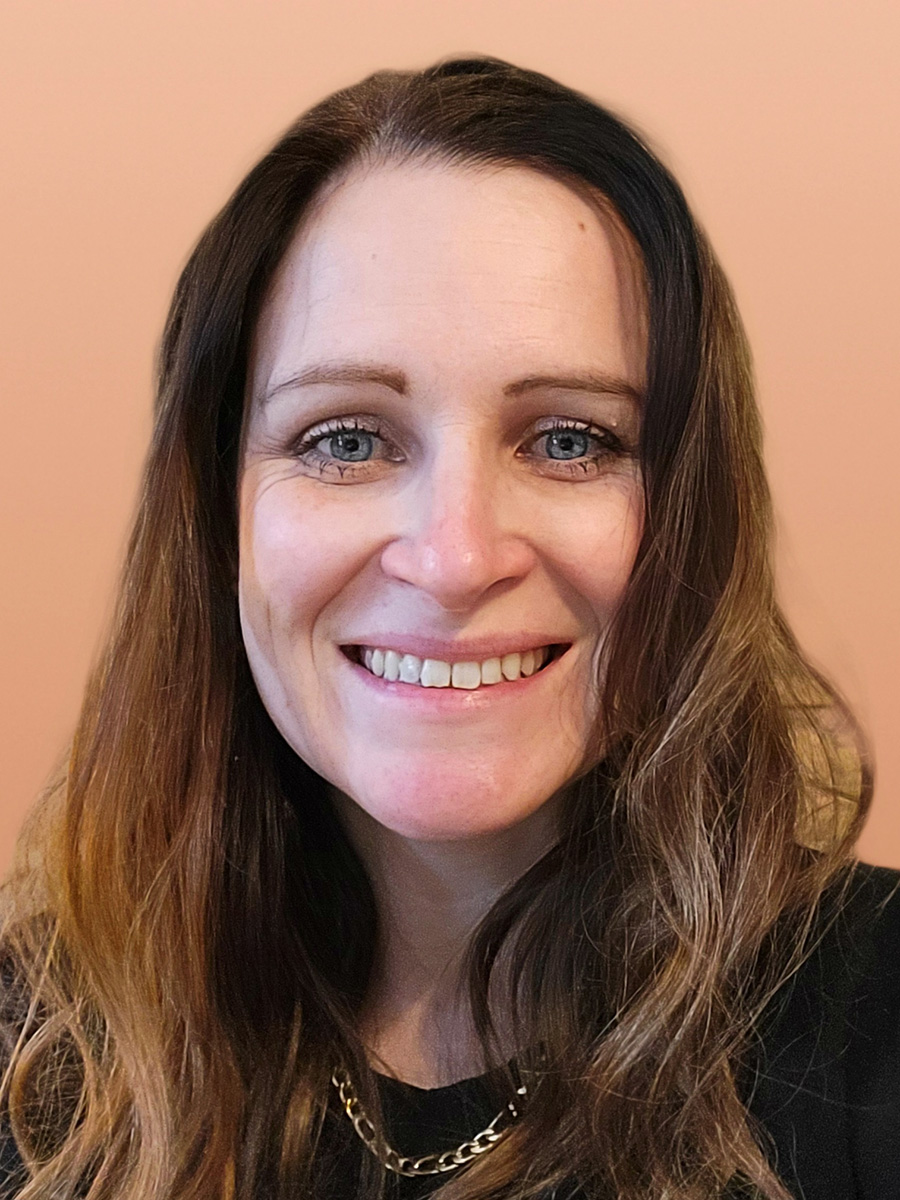
(via email)
1. Empathy and other perspectives
Listening is always important when holding a position in government. There will always be varying viewpoints and opinions. I know there have been many instances that listening to both sides of the story may have changed my position. I remember a few years ago when the Sevastopol School Operating Referendum was proposed. The proposal doubled the previous referendum, and I felt like it was a big jump. I was asked to attend a meeting at Sevastopol, they invited local clerks and treasurers, for a presentation on the referendum. They did a good job on the presentation, put forth facts (and) reasons, and listed true numbers. They asked for input from those invited to make it easier for the voter to understand. I went in unsure if I was supportive of the referendum. I left impressed that they invited stakeholders for feedback and better understood the proposal and could make an educated decision. Different perspectives, approaches, and viewpoints always create better conversation and understanding. We always have something to learn from others. I enjoy listening and learning.
2. Access and representation
Resident participation is the core of effective local government. Better decision making always comes from more information, which includes knowledge, opinions, and data. We need knowledge to understand the situation, opinions add perspectives, and data provides the evidence. I have heard the complaint that since the County meetings are held during working hours, working residents cannot attend. I understand this completely. I’m lucky to have a flexible employer; not everyone has that option. Another could argue that evening meetings conflict with family schedules, so there will always be a disadvantage. I think virtual access is great, but I do understand how it can be distracting for all participants with interruptions, forgetting to mute, and ease of participation. At the very least, recordings should be accessible and available. As a board member, I can envision wanting to listen to a committee meeting, especially if they are going to give a recommendation to the board to consider. The biggest critique residents seem to have about local government is transparency, even though everything is publicly noticed and rules are followed. If residents don’t hear about it, they feel in the dark. More transparency creates greater trust, and having more accessibility will strengthen that trust.
3. Policy and big questions
I don’t think people truly care about policy; they care about results and outcomes. No one remembers the specifics of a particular bill or law, but they know how it personally affects them. Taxpayers want the best value of services for their tax dollars. If taxes go up, they had better receive more or better services for their tax dollars. For me, a priority is building a mid-county EMS station. This has been on the county backburner for far too long. The data is there; the call volumes more than warrant the need. The maps do not lie. Those living in the middle of Door County pay taxes like everyone else and aren’t receiving the same response time EMS service as the rest of the county. A location needs to be secured, funds allocated and actual plans drawn.
David Enigl
Did not receive responses in time for publication.
District 17
This district represents wards in the towns of Jacksonport and Baileys Harbor. Bob Bultman is the incumbent and Dave Smith is currently the treasurer for Baileys Harbor. A primary election was held in February, as three candidates filed for this seat. Mariah Goode did not make it past the primary election.
Bob Bultman
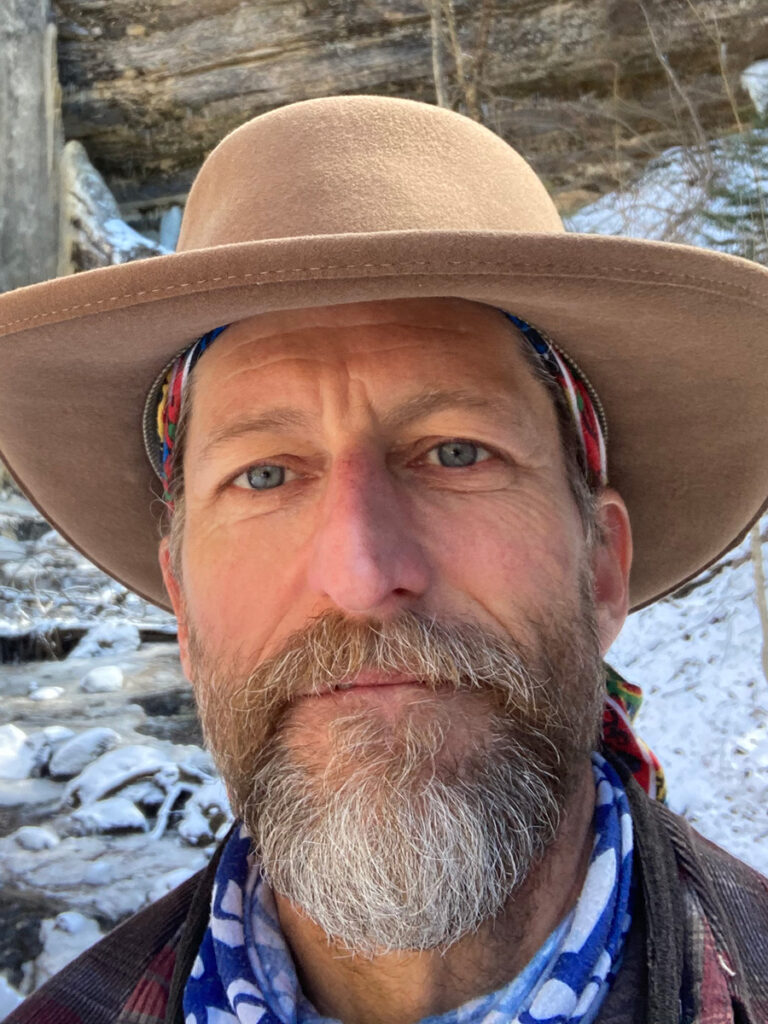
(via email)
1. Empathy and other perspectives
Almost universally, I would say that talking to someone and hearing their points and perspectives helps to polish off our rough edges and find a middle ground. Though hearing viewpoints can go both ways. I do recall one instance when someone was expressing anger and being quite abrasive and it made me realize I needed to stand up more for the people who were the target of the abuse.
There are various perspectives and opinions on each issue and each and every voice has some validity. I think of each voice like an ingredient in a dish that will serve all the residents of the County. How do we as a county board “feed” or “sustain” as many people as we can with the many unique and individual ingredients within budget limitations? As nature is our example, the world is a very diverse place. When we welcome diverse perspectives, and when we celebrate abundance, we live in the flow of a richer life and can do more with less.
I really try to listen from a neutral space. I try to quiet my mind and let preconceived notions drift into the background. When I come to a meeting I really try to enter the discussions tabla rasa, with a clean slate on which to consider the discussion of the moment. When I study the agenda packet, I usually have an idea of how I think I might vote, but I never know for sure until I hear from constituents and my fellow Supervisors during the meeting while the topic is discussed. I learn a lot from the other county board supervisors, and even though some of us don’t vote the same on National issues, I know when we are in our wonderfully nonpartisan place in the county board room, that we are working together to find solutions that best serve as many of the people of Door County as possible.
2. Access and representation
That is a good question. Careful consideration is required. While it is easier to put into perspective the voice of someone who makes the effort for regular input (often on the same topic), it is not as easy to consider the voices who did not show up to speak. Those silent voices are important too. As supervisors, it is our job to find the ways to understand our constituents’ needs even if they are not actively reaching out. It’s not always easy to do.
I encourage people to show up, to share their insights, to write letters, to serve on committees and to run for office. So many seats run unopposed. We need diverse voices to help ensure inclusiveness and completeness. I encourage people to speak up and to serve in your community in whatever way you can. Coming to meetings and speaking at public comment is a great way to do that.
I am a big supporter of public access to government proceedings. The more light that can be shone on the dealings of our limited tax dollars, the better. We do best when we have many voices at the table. While our county government currently does more than is required regarding access, I hope that eventually all meetings can be recorded and accessed by the public. While there will be a slight increase in expense, I believe that getting more voices involved earlier in the decision-making process and the transparency that comes along with access is worth it, and ultimately makes government more efficient.
3. Policy and big questions
Where there is a will, there is a way:
It is easy to sit back and say that county government is pretty much directed by rules and laws from the state legislature, that our sidebars are established and we just have to simply implement what the State tells us to do and nothing more. While it is true that the structure and responsibilities of county government are determined by the legislature, we do have latitude to take on or implement policy and programs outside of what the state requires. Take our ambulance service for example. We are the only county in the entire state to run an ambulance service. Given our unique geography, Door County has a unique solution and we figure it out given the tax base we have to work with. We can do similar things in other areas that are important to the citizens of our county.
We are in the process of expanding county ambulance service to significantly shorten response times in the area between Sturgeon Bay and Fish Creek/Baileys Harbor. I support the building of a “middle station” to address EMS response times. And I am also in support of doing what we can to enhance environmental safeguards. We live on a unique and special peninsula. Many of our wetlands and natural places are rated as globally significant. We need people on the county board who have a working understanding of ecological issues and there are a few areas that we can do more through county departments. We have a great responsibility to steward this special place for many generations into the future. Pressures to make permanent changes are ever present. One example: Sometimes current wetland protections have proven inadequate and have resulted in flooded homes and a spoiled environment. Whether it is improving wetland buffers, working to improve dark sky conditions or having a policy to plant only native flowers and trees to maximize sustenance for birds and pollinators, we can do more to be good stewards of our lands and waters and air.
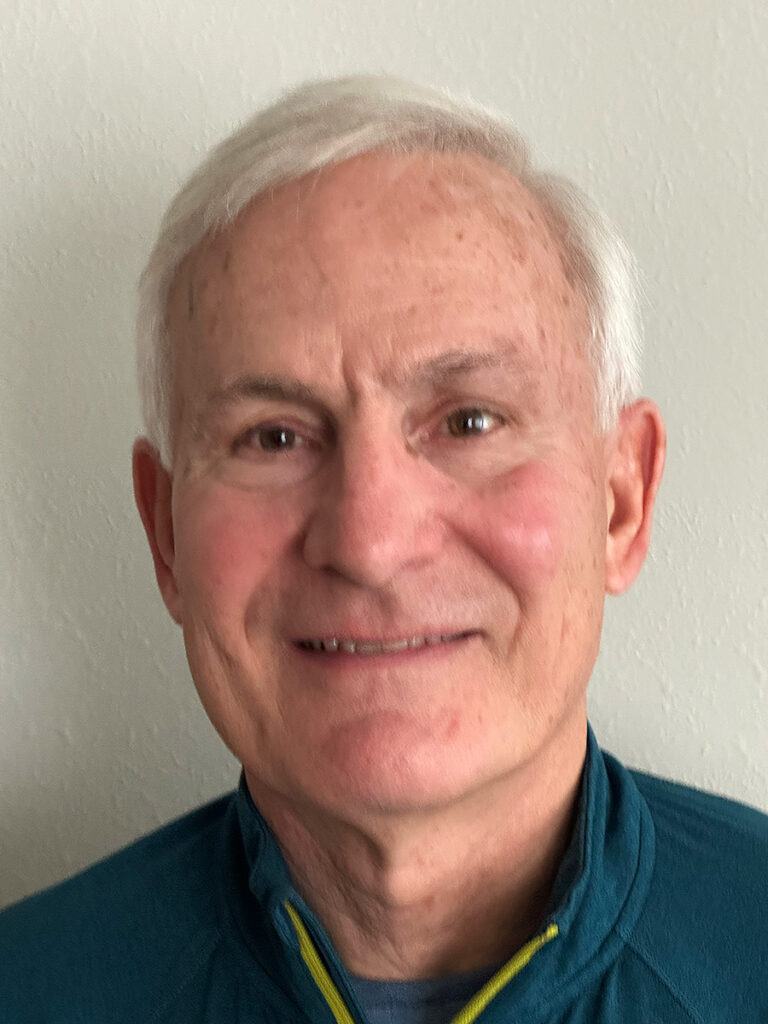
Dave Smith
(via email)
1. Empathy and other perspectives
I can think of two examples where my opinion changed as I became more informed. One was the installation of generators at the lift stations for the wastewater system in Baileys Harbor. I was opposed when I saw the initial engineering estimates, which were multiples of what had been originally expected. After spending time with the wastewater staff, I had a better understanding of the issues involved, the risks that were being mitigated and the future benefits. That understanding caused me to change my mind and support the generators as part of the larger wastewater project.
The other instance was a relatively large bridge project to replace a culvert near our cabin on the edge of the Boundary Waters Canoe Area Wilderness in northern Minnesota. The cost and disruption seemed excessive to replace a culvert. Several people I spoke with were dismayed by the project and initially had me thinking it was a mistake. Further discussions and reading revealed some very good environmental reasons for the bridge. This bridge would allow free flow of the river without the restriction caused by the culvert. This will provide better conditions for fish movement and spawning as well as improved movement for the wildlife.
These two examples are indicative of the importance of taking time to understand the issue in depth. What are the long-term impacts? What are the bases for differing opinions? My approach will be to get into depth to understand the issue, viewpoints, possible outcomes, and the implications. I will also discuss issues with residents within my district to better understand their perspectives. That cumulative body of information will drive my vote.
2. Access and representation
It seems to me that the county does a good job of providing access for people to participate in their county government and voice their opinion. All meetings are certainly open to the public to attend in person and can be joined virtually. Even those attending virtually have the ability to raise their hand and be admitted into the meeting to speak. Board meetings are recorded and made available online. The only change I can see would be to record committee meetings and make those available.
3. Policy and big questions
There are very few issues that can be unilaterally addressed by policy decisions at the county level. One of the biggest issues within the county is affordable housing. There have been many programs put in place over the years to help address this issue. One example would be loan assistance programs. The county’s zoning, which covers a large portion of the county, was reviewed to ensure it does not include unreasonable obstacles to adding affordable housing. Ultimately, this issue can only be resolved through concerted efforts from state, county, and municipal governments along with private sector and community resources. I would encourage the county to continue to participate as much as possible in the discussions to help find ways to alleviate this problem. I would support the use of county financial resources within the budget constraints and possible grant funds.
District 21
This district represents Washington Island and a ward in the Town of Liberty Grove. Joel Gunnlaugsson has been the supervisor for this district for almost 20 years and has filed non-candidacy papers for this election cycle. Nancy Barnowsky Goss currently serves on the Liberty Grove town board. Joe Rogers lives on Washington Island and this is his first time running for county supervisor.
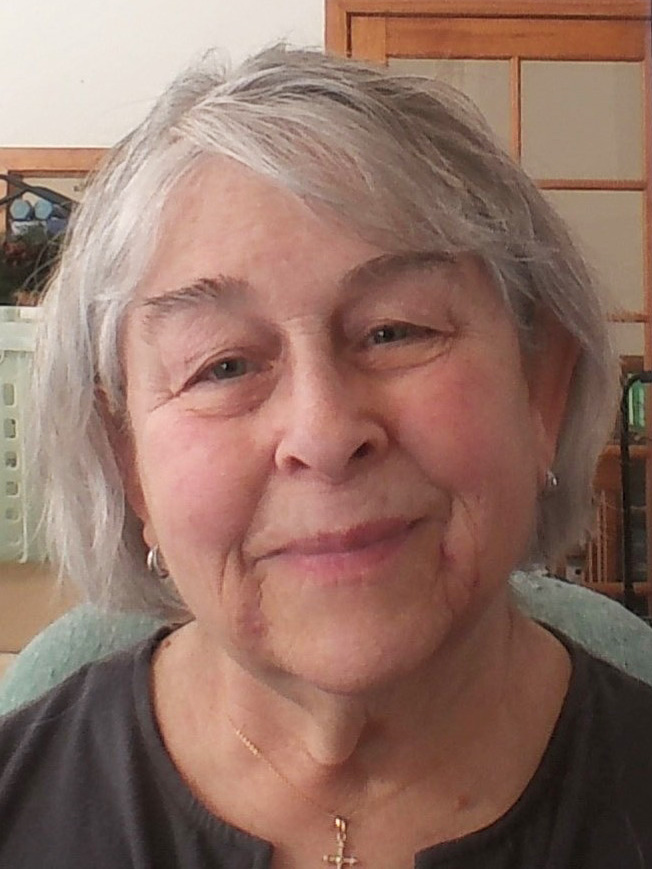
Nancy Barnowsky Goss
(via email)
1. Empathy and other perspectives
Listening to a viewpoint opposing my own is my job. As an elected official, I do not have the luxury of voting my heart. My best decisions happen when I carefully listen to different voices on an issue, research and weigh those voices, then vote for what I believe is the most reasonable and fair outcome for the entire community.
2. Access and representation
I’m all for access. That said, I haven’t studied any details on what each of your options for meeting access would look like. How much would each option (or combination of options) cost? How many more citizens would it attract? Does the expense justify the enhanced access? I would be interested in selecting one (or more) options on a trial basis to see if we can achieve a balanced approach.
3. Policy and big questions
I would like to see the county put more pressure on the state to get a better handle on management of short-term rentals. In my humble opinion, as currently defined and administered, STRs are a major contributing factor to our (and many other communities’) housing crisis. Oftentimes, as soon as an “affordable” house comes onto the market, it is snapped up by an (investor) as part of a business model. As a result, we are losing the middle-class fabric of our community, EMTs, firefighters, teachers, nurses, physical therapists, contractors…the list of vital service personnel goes on and on. And what about our local high school graduates who are not college-bound and wish to continue the family business right here in Door County? Our young adults desperately need “starter home” opportunities. These precious assets to our overall community are falling through the cracks of big business. Door County is doubly hampered by our geography. We have virtually no “bedroom communities” from which to draw service personnel. Service contractors like plumbers, electricians and more, often travel from the Fox Valley…along with hefty mobilization fees for our Door County property owners. I believe the beginning of a solution is for the state legislature to revisit the “definitions” part of the STR law. At the law’s inception (and still currently) STRs are legally “defined” as a “residential use.” (Please explain to me how a property owner, whose primary residence is in another state, can own and derive income from multiple rental properties in Door County…and not be considered a business?!) I would like to see a separate definition added to the STR law by the state legislature to address this glaring discrepancy and administer in a way that is more fair and less destructive to our communities.
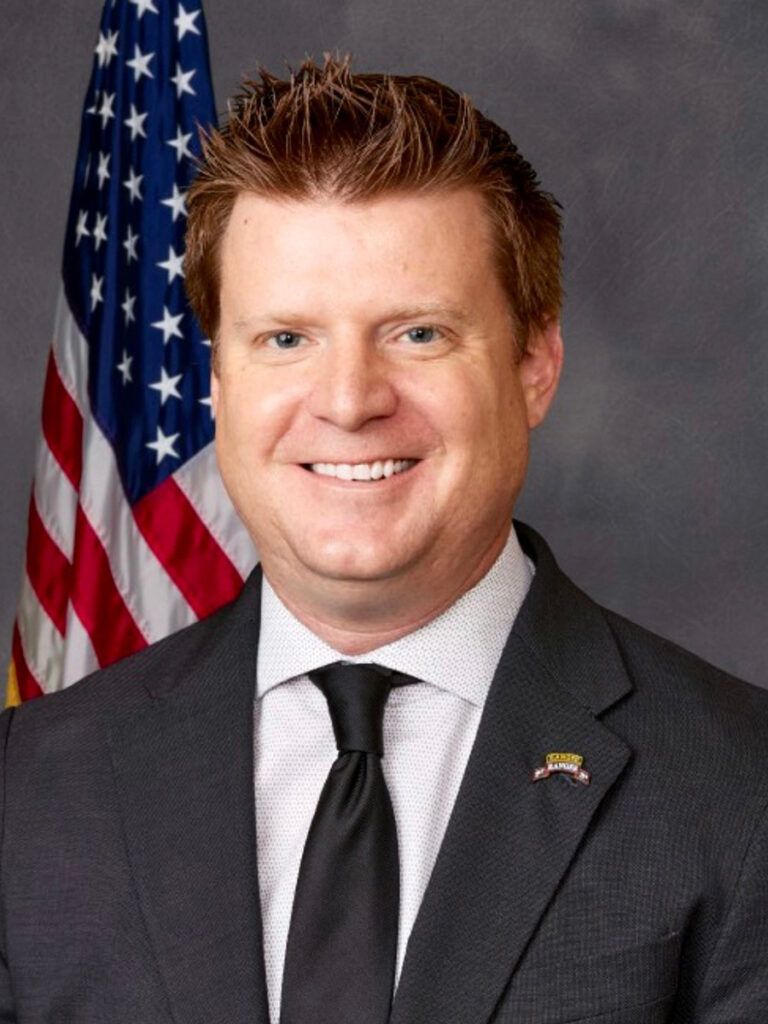
Joe Rogers
(via email)
1. Empathy and other perspectives
Having an open mind about every topic is imperative. A few years back, in my hometown, there was a specific economic development project I was frustrated with. I felt strongly about the city not spending taxpayer funds to develop commercial property into shops and apartment units. I felt that the city needed to grow naturally instead of forcing their 30-year plan for the city on its residents. After hearing from the members of the community, I realized the great benefits this project would bring. It’s important to not have biased decisions based on bad past practices and realize that sometimes we are limited by our own lack of creativity. We are surrounded by very intelligent people in Door County. We must leverage collective ideas in the solution of complex problems. We all view situations in life differently based on our own experiences.
2. Access and representation
It’s important to remember that elected officials serve to represent the people in their district. Most open meeting agendas have a “public comment” agenda item to allow citizens to voice their concerns. In general, more access is great! Elected officials are accountable to the people.
3. Policy and big questions
There are many “big” questions that are important to me. The one that I think about often is public safety. Door County has a population of over 30,000 residents and draws another 2.5 million people in tourism annually. That is a major increase to the resident population. This puts an increased demand on the public safety professionals in the community. As an example, the annual call volume for EMS went up 8.6 percent last year. It is crucial to continue to monitor growth and plan accordingly, adjusting policy where needed.
Other districts
In District 11, incumbent supervisor Morgan Rusnak, representing two wards in the City of Sturgeon Bay, is not seeking re-election. Helen Bacon, who currently serves as alderwoman on the Sturgeon Bay Common Council, is the only candidate who has filed for Rusnak’s seat and is running unopposed.
In District 19, representing parts of the towns of Baileys Harbor and Liberty Grove and parts of the villages of Ephraim and Sister Bay, there is a vacant seat and no candidates running for it. There were no candidates in the 2024 election either, and Patrick Voight was elected as a write-in. He resigned in June 2025. No one has shown interest in the seat, and the county has not filled it.
Incumbents for the following districts are running unopposed: District 1, Dave Englebert; District 2, Todd Thayse; District 4, Nancy Robillard; District 5, Jeff Miller; District 6, Ken Fisher; District 7, Claire Morkin; District 8, Collin Jeanquart; District 12, Nissa Norton; District 13, Dale Vogel; District 14, Hugh Zettel; District 15, Elizabeth Gauger; District 18, Vinni Hancock; and District 20, Walter “Bud” Kalms.
Correction: Door County District 16 also includes the entire Village of Egg Harbor. An earlier version of this story did not include the village as part of the district. A portion of the story has been revised to correct that omission.