


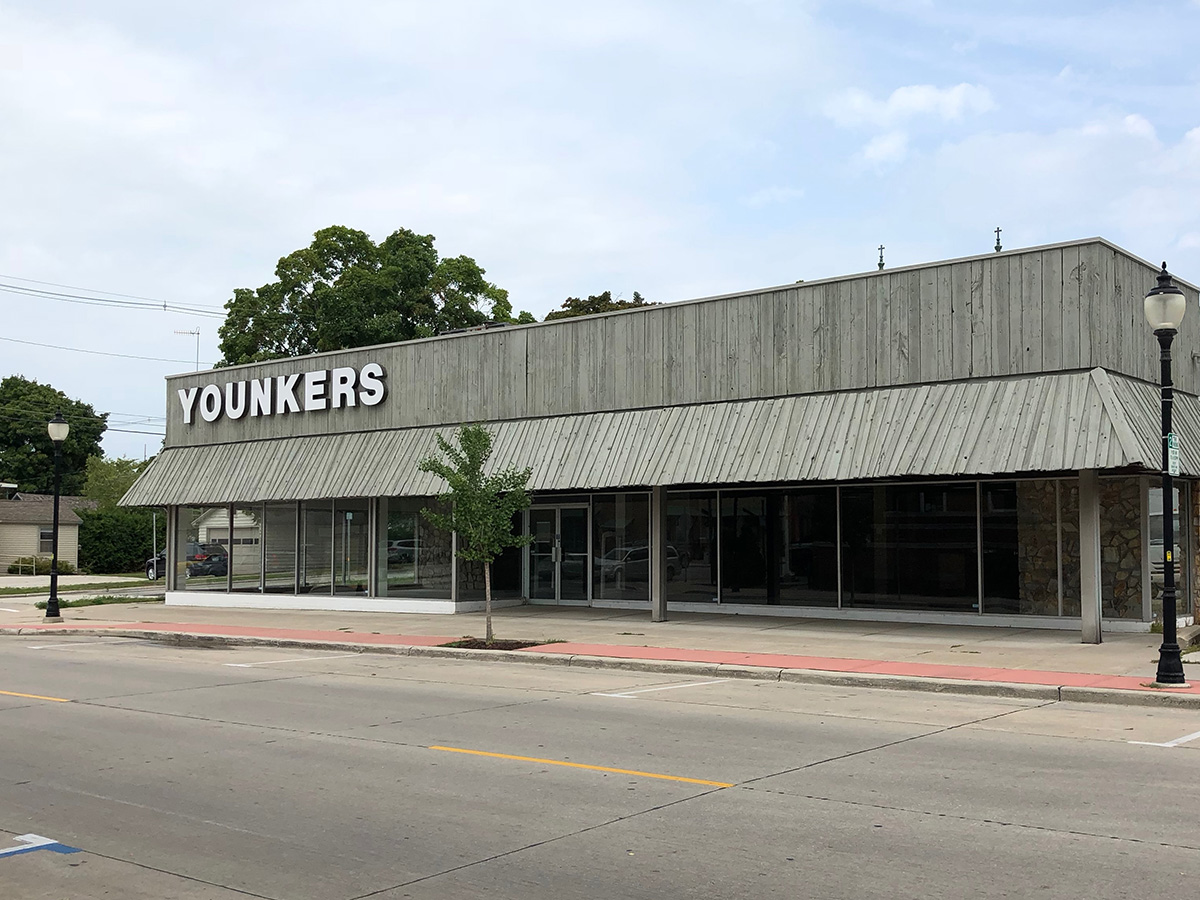
During its Dec. 16 meeting, after more than a decade of starts and stops, the County Board approved plans to rehab the former Younkers building on 4th Ave. for the expansion of the Door County Historical Museum and Archives.
The project was initiated in 2008, when existing museum space was deemed inadequate for the museum’s ever-growing collection of artifacts and oddities. Since then, the county has spent $1.6 million on the project in the form of reports, surveys, designs, maintenance, abatement, real estate purchases and more.
The resolution to hire an architect to provide design schematics based on a recent proposal by Immel Construction passed by a vote of 13 in favor, six against, and two absent. The pared-down plan from the company has an estimated final price tag of $2.6 to $3 million.

Public comments indicated residents’ frustration with how long the project has taken and how much money has already been spent. A significant amount of supervisor discussion was generated by the motion to move forward with Immel’s proposal, reflecting the lengthy, complicated, and in some cases, publicly controversial project.
Historical museum history, or how we got here
An exhibit about the history of the Door County Historical Museum and Archives would likely include a timeline that extends back to 1939 when the museum opened.

Henry Dankoler was a driving force behind the museum’s creation, as well as its first curator. Known as “Uncle Harry,” Dankoler donated thousands of items of his own to the museum, and solicited donations of interesting items from his circle of friends and acquaintances. Donated items still come to the museum regularly, according to staff.
The timeline would have several points of interest in the life of the museum, but would really pick up in 2008. That was the year that museum staff and its oversight committee determined the ever-growing collection of artifacts and historic documents–the museum’s archives– had outgrown the current building on 4th Ave. in Sturgeon Bay.
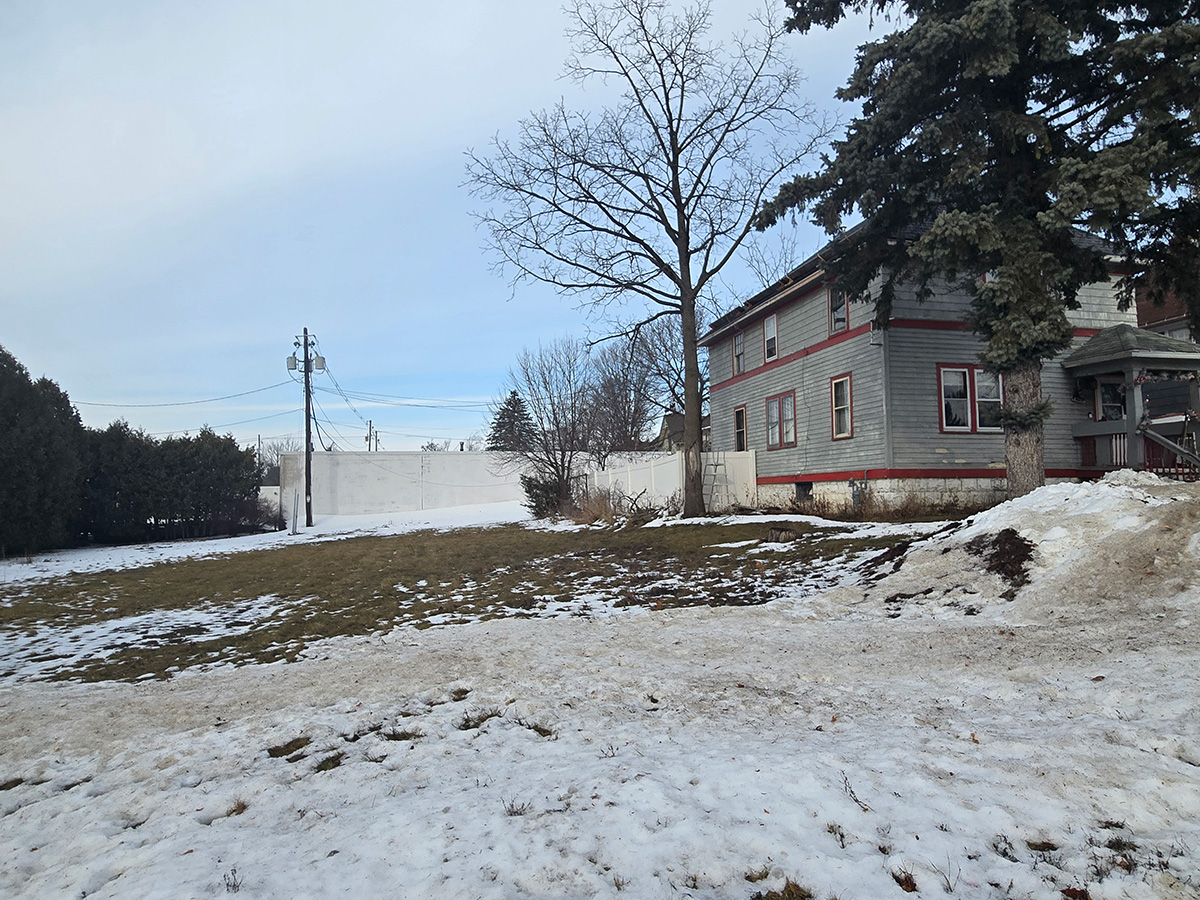
In 2008 and 2009 the county government purchased two lots with older homes near the museum, with the intent of using them for museum storage. One of the buildings was razed in 2020. Some of the museum’s archives are currently stored in the remaining one. According to museum officials, it is not a good environment for preserving historical items.
The county commissioned the first study in 2011, a museum expansion plan by Groth Design that cost almost $15,000. From 2015 to 2019, oversight committees had discussions, and in 2016, the county spent over $30,000 for a consultant and “leadership planning retreat” to develop a strategic plan for the museum. Until 2018, when Younkers closed its Sturgeon Bay locations, plans were focused on new construction or building an addition to the current museum.
In 2019 the county board approved the purchase of the Younkers building on 4th Ave. for $503,751.13, with the intent of remodeling the building and using it for the museum expansion.
Around the same time, the museum and its own archives, as well as the general county archives, was put under the Door County library system’s purview. The Library Director, Dominic Frandrup, now oversees personnel of the museum and archives, including payroll and operational expenses.
The county’s general archives are housed in the library basement, providing “good adjacency with the library’s genealogical and historical work,” Frandrup said.
The museum expansion plan is not tied to this general archive collection, County Administrator Ken Pabich explained during board discussion at the December meeting.
The difference between the two archival collections is the museum’s items relate specifically to the museum and its exhibits, Pabich said. The general archives include newspapers and other publications, documents and artifacts that encompass the whole county’s history.
The library board has no official say in the museum and archive expansion project, Frandrup said. The project is under the statutory authority of the county highway and facilities committee.
In 2021, a $37,000 master plan for the library, museum and archival storage determined the former Younkers building was not usable for county purposes. It was decided the county would demolish the building and build a new one for the museum expansion.
Dorschner Associates was hired to provide a pre-design site review of this plan for about $36,000 in 2022. The review was approved, as was the next step of having Dorschner prepare schematic designs and construction documents.
Those designs and documents cost the county $399,654.80 and elicited construction bids that were $1-3 million over the county’s budget for the project.
At the time, about $5.6 million had been set aside in the county’s capital improvement plan, or CIP, with an additional $800,000 available from other funding sources. The county’s total available funds in 2024 for tearing down the former Younkers building and building new was $6,435,721.
The county received four bids based on Dorschner’s schematics. They ranged in cost from $8.1 to $9.3 million.
Sticker shock ran through the highway and facilities committee and the county board, according to Pabich.
“From the initial concept we were expecting the project to be on target,” Pabich said. Dorschner did not account for the Door County market, he said, and many of the design specifications were too particular.
Part of the contract with Dorschner allowed for a “right to cure,” or fix the design to come back under budget, “but it was so significantly over budget that the whole scope of the design would have had to change,” Pabich said.
“As we understood it came in above their budget and the county decided to go another direction,” Diana Dorschner, a lead architect on the project, said in a phone conversation on Jan. 9. She declined to provide any additional comment.
The county cut ties with Dorschner and pivoted back to a cheaper concept; rehabbing the existing Younkers building. Immel Construction was hired in 2025 to provide a feasibility study of this plan for $25,000.
The Immel plan brings the county’s total expenditure on ten different reports, studies, designs, reviews and plans over the last 18 years to $564,200.98, according to a summary provided by the Door County Finance Department in November.
What the vote means, what happens next
Resolution 2025-97 authorizes hiring an architect for schematic designs and putting the project out for bid, based on Immel’s feasibility study. It is not a directive to adopt Immel’s plan and move forward with construction. Rather, it approves the next phase of the project, according to Pabich.
“Immel will work with the architect to ensure the design matches the project budget,” Pabich said in an email. There are no more fees from Immel until construction would begin, he added.
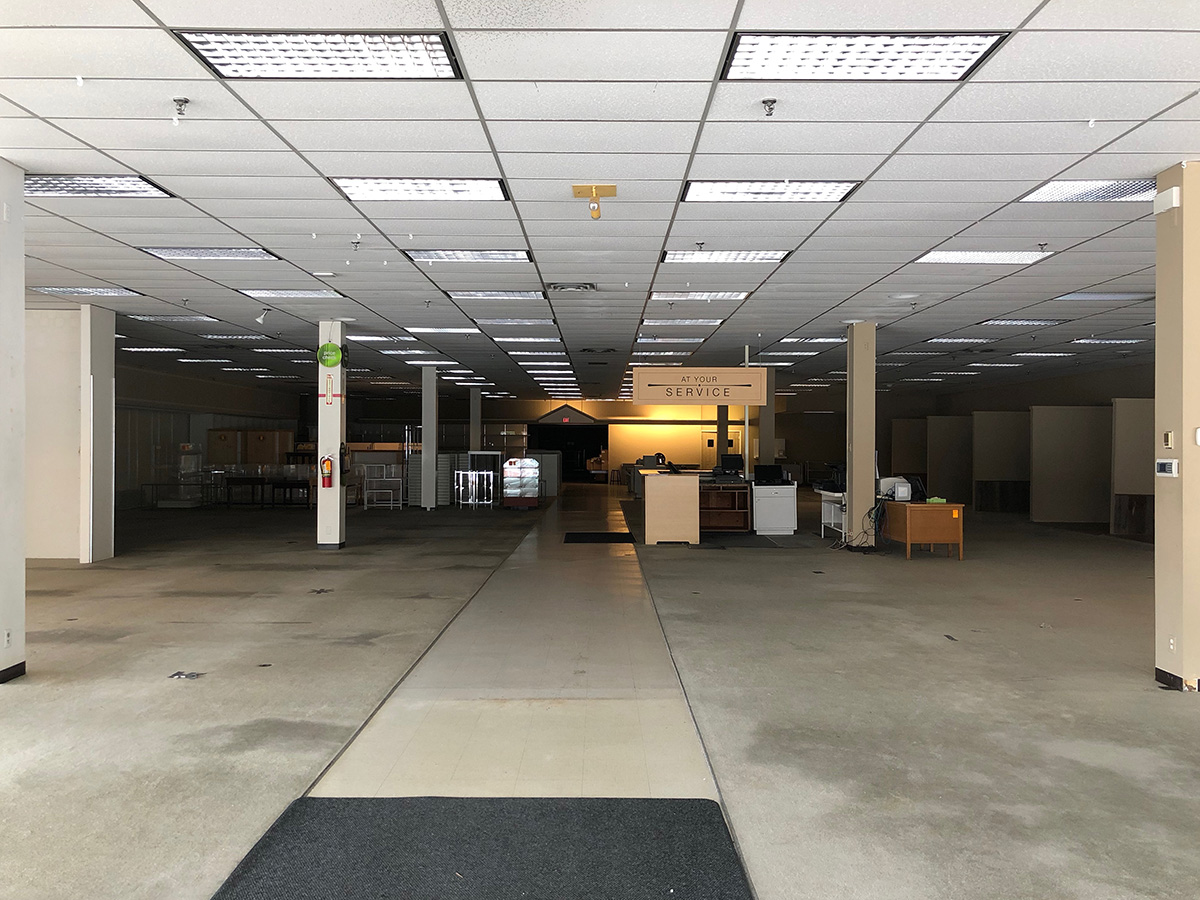
According to Immel’s study, it will cost the county an estimated $1.7 million to renovate 8,000 square feet of the former Younkers building for museum use. The remaining space in the 23,000 square foot building would cost $800,000 to bring it to a “gray box” standard.
Gray box refers to a space that is built out to be a basic shell, according to Immel President Paul Martzke, versus “white box” space which is built out to the specific needs of a tenant, and is much more expensive.
The county plans to maintain ownership of the entire building and lease the 15,000 square feet the museum will not be using to an as-yet-to-be-determined tenant, according to Pabich.
Immel’s feasibility study also estimated about $80,000 for ADA upgrades to the building’s restrooms and entries, for a total of roughly $2.6 million to complete the expansion project. Coupled with the money already spent on the project since 2008, the county would end up spending a total of around $4.2 million on the project.
Based on the county board’s vote, the county will hire an architect who will work with Immel, provide schematic designs, solicit bids and return to the board in mid-2026 with those results. The county board will need to approve one of those bids in order to begin the physical construction and remodeling portion of the project.
Opposition
Public comment regarding the proposal to continue with the museum expansion was negative, and characterized by criticism of how long the project has gone on, and frustration with how much money has already been spent.
“I owe taxpayers an apology,” said former county board supervisor Linda White who was on the board when they voted to purchase the Younkers building.
“It’s time to cut our losses, demolish the building and put the lot up for sale. Put the property back on the tax rolls,” she said.
Lost tax revenue on the former Younkers property is one of Randy Morrow’s major concerns. He has addressed the county board four times in the last few months, asking them to sell the property, calling it a “neglected asset.”
Some opponents to the proposal cited its lack of public access. The 8,000 square feet designated for the museum is for storage of its archives; documents, photos and physical artifacts that are not on display. It will also have room for designated individuals to study archival contents, but will not be open to public browsing.
Some detractors asked the board to spend money on competing fiscal priorities like housing, roads and public services. Michelle Hroma, who lives in Sturgeon Bay, identified herself as a young constituent.
“You could spend that money better,” she said. “Perhaps putting it back into the drug treatment program, or somehow building affordable housing or roads or anything else that would benefit the younger generation of the county.”
Some supervisors questioned whether it was a good idea for the county to become a landlord by leasing part of the building.
District 10 Supervisor Philip Rockwell asked why several prior reports deemed the Younkers building unusable to the county or recommended a public-private partnership to run the museum.
“We’ve had studies saying that it absolutely should not be in the government’s hands. We have ten of our closest counties in this state and not one of them own a museum whatsoever. They are all owned by historical societies. One of the counties is smaller in population numbers and the next nine are larger in population. So we do not fit the mold of Wisconsin whatsoever,” Rockwell said.
Support
Support for the proposal centered around civic pride and legacy, the potential of the building, and the scaled-back, more economical plans.
Chairman David Engelbert acknowledged it has taken a long time for the board to get to a reasonable resolution, but he said he believed moving forward was the right thing to do and it supported a 100-year vision.
The county was doing its “due diligence” the last 18 years, according to District 17 Supervisor Bob Bultman, representing Baileys Harbor and Jacksonport.
“Like it or not, the county of Door is the entity that runs the museum. We’re the ones in charge of this. It’s about pride, a question of your pride in your community,” Bultman said.
Downtown real estate for government use is rare, and some discussion centered around the long term value of the county owning the Younkers property.
“The price was not all that bad for a downtown property and the building is viable to be used,” District 16 Supervisor David Enigl said. “It’s difficult to find land at an economical government price, literally right next to property you already own.”
What Pabich called a “pared-down” plan also met with approval from some supervisors, after the $8 and $9 million bids received in 2024.
“It’s an amazing cost for a remodel,” District 18 Supervisor Vinni Hancock said. She represents Gibraltar and Ephraim. She also indicated the expansion would be more than a storage facility, and it would have restrooms, meeting and work space. The building would be worth more remodeled than demolished, Hancock added.
Unknowns
Whether taxpayers and voters will push back on their representatives after the vote remains to be seen. There is some intense opposition from constituents, according to several supervisors.
“Angst over how the county is handling the museum expansion piece was the number one topic when I was getting signatures,” District 14 Supervisor Hugh Zettel, who represents Sevastopol and parts of Sturgeon Bay, said. Supervisor Miller said he has received more calls on this topic than any other.
Some voters’ angst is due to the timing of the vote, according to Engelbert. People have recently received their annual tax bills, and some City of Sturgeon Bay residents saw a sharp increase. While frustrating, property taxes and the museum project are separate and the project should not become a “whipping post,” Bultman said.
While the county is pursuing a simpler plan and the architect and construction manager will work together to keep the project under budget, according to Pabich, final costs of the project are not locked in.