

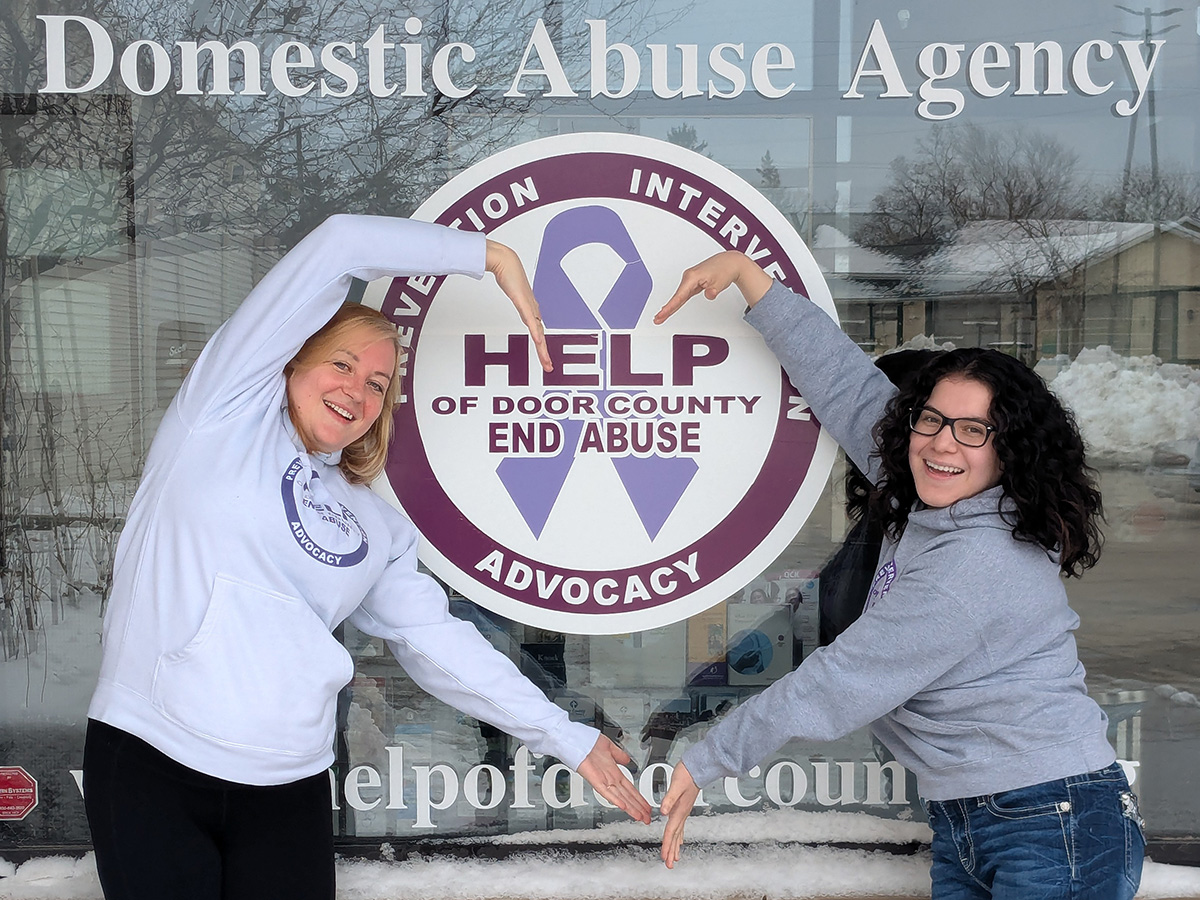
The Sexual Assault Center, a division of Family Services of Northeastern Wisconsin, is transitioning all services to HELP of Door County by March 2027, according to organization leadership. HELP is a domestic violence advocacy nonprofit located in Sturgeon Bay and serves the whole county.
April is Sexual Assault Awareness Month and is a good time to make sure current and future sexual assault survivors know they still have advocacy support in Door County, despite the closure, according to Holli Fisher, director of Family Services.
“If they contact either agency we’ll be able to assist them,” she said in a recent phone interview. “We don’t want survivors to think they have nowhere to turn.”
The center has about 50 clients right now in Door County, she added.
The Sexual Assault Center has been serving Door County for 30 years, and covers Brown, Marinette and Oconto counties as well. The center lost several hundred thousand dollars of funding it received through the Victims of Crime Act, or VOCA2Qlargely due to fewer large federal court fines and settlements feeding into the fund.
The center determined it was not sustainable to continue providing services to Door County for a number of reasons, Fisher said. One of them is staffing. It has been difficult for the SAC to staff advocates in Door County specifically because there are “no housing options,” she said. The last few employees lived in Brown or Kewaunee counties and commuted to Door.
Staffing is crucial to provide services for survivors. Agencies like HELP and the SAC are there in the aftermath of violence, but advocates at both organizations said prevention and education is critical to stop these kinds of crimes from occurring or continuing to occur. HELP provides violence intervention programming for perpetrators including an Alternatives to Violence group for men, and Women Ending Abuse and Violence group for women. HELP staff also facilitates a student-led group at Sturgeon Bay High School called FYRE — Forging Youth Relationships and Education. The group is built on youth activism to prevent and reduce domestic and intimate partner violence.
Victims of Crime Act funding and background
VOCA established the Crime Victim’s Fund in 1984, relying on fines, fees and penalties paid by those with a federal criminal conviction. It is the largest funding source for services related to survivors of violent crimes. Large settlements from corporate fraud and other white-collar crime cases brought in millions which were distributed to survivor service organizations like SAC and HELP.
In recent years fewer large federal cases, different ways of resolving cases that do not result in money being put in the VOCA fund, and legislative changes to how funds are distributed and capped have led to a dwindling pool of money for states to give to survivor services.
That dwindling pool is now trickling down to Wisconsin and why service providers like SAC are making cuts and closures.
“The money dried up pretty quickly,” Fisher said. The last statewide VOCA grant SAC applied for had $90 million in requests, and only about $15 million to give out, she added.
What’s happening now for both
HELP has a director, three client advocates and a support staff who provide several services for survivors of domestic violence or intimate partner violence including: emotional support, legal advocacy, supervised and monitored visits during custody transitions, community outreach, safe homes, referrals and violence intervention programming.
HELP is funded adequately to provide current services, through donations and grants from foundations and other nonprofits, according to Benzow. Some of their money also comes from VOCA, but it is a relatively small amount intended for mobile advocacy, she said.
None of HELP’s funding is currently designated for sexual assault clients and services, however. Part of the transition includes identifying funding sources for sexual assault survivor services, she said.
In the meantime, the Sexual Assault Center is still providing in-person legal advocacy services to existing clients and fielding hotline calls. The organization will continue to provide advocates to accompany survivors to medical appointments.
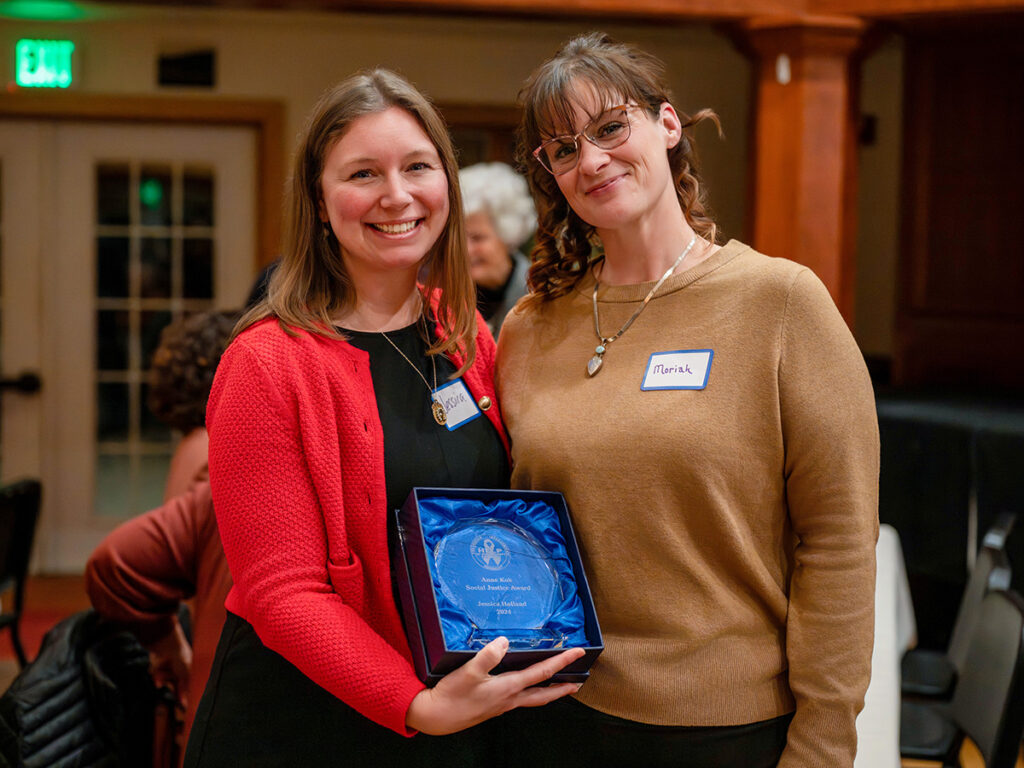
Domestic and intimate partner violence often overlap with sexual assault, and some of the services are similar–accompanying survivors through the legal system, finding them therapy and mental health services, providing emotional support and community education and outreach. In fact, according to HELP staff, there are already many Wisconsin organizations that focus on survivors of both domestic and intimate partner violence, and sexual assault.
However, in order for advocates to completely take over services for survivors of sexual assault, they need specialized training, Benzow said. Untrained or poorly trained people can cause harm by saying misleading things or making false promises to a survivor, and this is part of the reason the transition will take place gradually, she said. She wants to be certain HELP staff is ready and able to provide the safety and services all clients will need.
Right now, if a sexual assault occurs in Door County, the survivor can call the local hotline number and staff will triage the situation and take the next steps of getting a rape kit performed by a SANE nurse, Benzow explained.
SANE stands for a “sexual assault nurse examiner” and is a registered nurse with special training to provide physical exams and care to survivors of sexual assault. They may also provide expert testimony in court. There are no SANE nurses in Door County, Benzow added, and survivors must go to Green Bay or elsewhere to receive those services.
While HELP is trying to maintain a response to harm, it also provides some programming to help prevent more harm from occurring.
Accountability and prevention
“My job should not exist,” said Joseph Lopez, because domestic and intimate partner violence should not happen. Lopez is HELP’s domestic violence intervention program coordinator.
HELP has two violence intervention programs, based on the Duluth Model, created in 1980 in Duluth, Minn.. The model is a community-driven way of responding to domestic and intimate partner violence. It prioritizes perpetrator accountability and survivor safety.
Door County also has its own Coordinated Community Response team, another aspect of the Duluth Model. The CCR team is made up of representatives from law enforcement, the courts, probation and community organizations like HELP to make sure domestic and intimate partner violence cases are handled consistently.
Lopez does not have the background or training to lead sexual assault intervention programming, he said, but getting specific people trained to have that in place will be part of the transition.
His current men’s group for perpetrators has about 25 members, Lopez said. He has a small waiting list, he added, and there’s nowhere else in the community that provides this service, he added.
There are a couple of avenues that lead men to Lopez. Sometimes they join his program voluntarily, he said, but most of them are court-ordered into it after being arrested for a domestic violence-related incident. Lopez then assesses the individual to see if they are a good fit for his group.
Limitations like mental health issues, substance use and an unwillingness to change might factor into whether or not the person is a good fit, he added.
Domestic and intimate partner violence has its roots in patriarchy, and prevention begins in how we raise our children, according to Lopez.
It begins with language, Lopez said, and young boys are often taught that “boys don’t cry,” and told to “man up,” when faced with difficult emotions. This translates into adult men who bottle up their feelings until they explode, sometimes in violence, he added.
Validating children’s feelings, telling them it’s okay to cry and making space for those emotions is a good start, said Lopez.
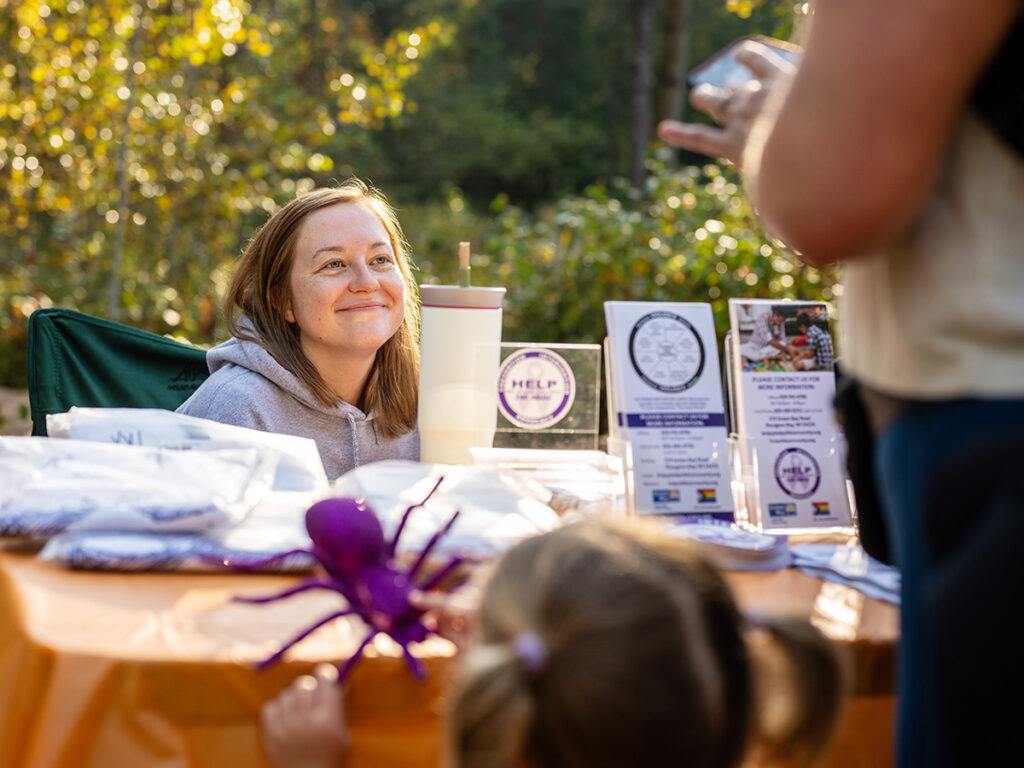
“We are all complicit,” he said, and often when a male partner does come to them and wants to be vulnerable and emotional, women do not know how to react.
“The patriarchy is ruining it for women and men. It’s saying we can’t have this conversation,” Lopez said.
HELP’s men’s group is a place to have that conversation, he said, a place to re-learn what healthy masculinity looks like.
Another part of the program is educating men on what domestic and intimate partner violence actually is–not just physical abuse, but economic control, intimidation, and weaponizing children are also forms of abuse.
“I get my guys to think deeper, and the light bulbs start going off,” Lopez said. “Things they didn’t think were a big deal are actually abuse.”
Men in the program also learn coping skills to deal with difficult emotions, process anger and set boundaries in relationships.
“I’ve seen miracles happen,” Lopez said.
HELP’s women’s group, WEAV, is a little different than the men’s group, according to Lopez. He acknowledged that yes, there are battered men, but statistics overwhelmingly show that it is men who are offenders.
All of the women he has worked with used violence as a response to abuse, he said, and that is what landed them in his program.
There are more complex, systemic issues that factor into domestic and intimate partner violence, and many of these issues play into sexual assault as well, according to HELP advocate Heath.
“It’s a really big ask to do the work to prevent violence,” she said. Root causes include societal ideas of classic gender roles, race, gender expression, trauma, poverty, addiction and mental health.
Regardless, prevention needs to start earlier than crisis response and court-ordered programs, according to advocates.
On FYRE–what youth prevention looks like
At least half of all the clients served by the Sexual Assault Center are children, according to Director Fisher, and prevention education needs to start early.
At Sturgeon Bay High School, students involved in the extracurricular group FYRE are learning skills some adults have never received, according to HELP advocate Loretta Heath, who helps facilitate the group. FYRE focuses on consent, boundaries and other skills for maintaining healthy relationships, she said.
The group talks about things related to power, control and oppression, how they come into play at a community level, she said. The most important thing FYRE does is provide young people with a safe place to talk.
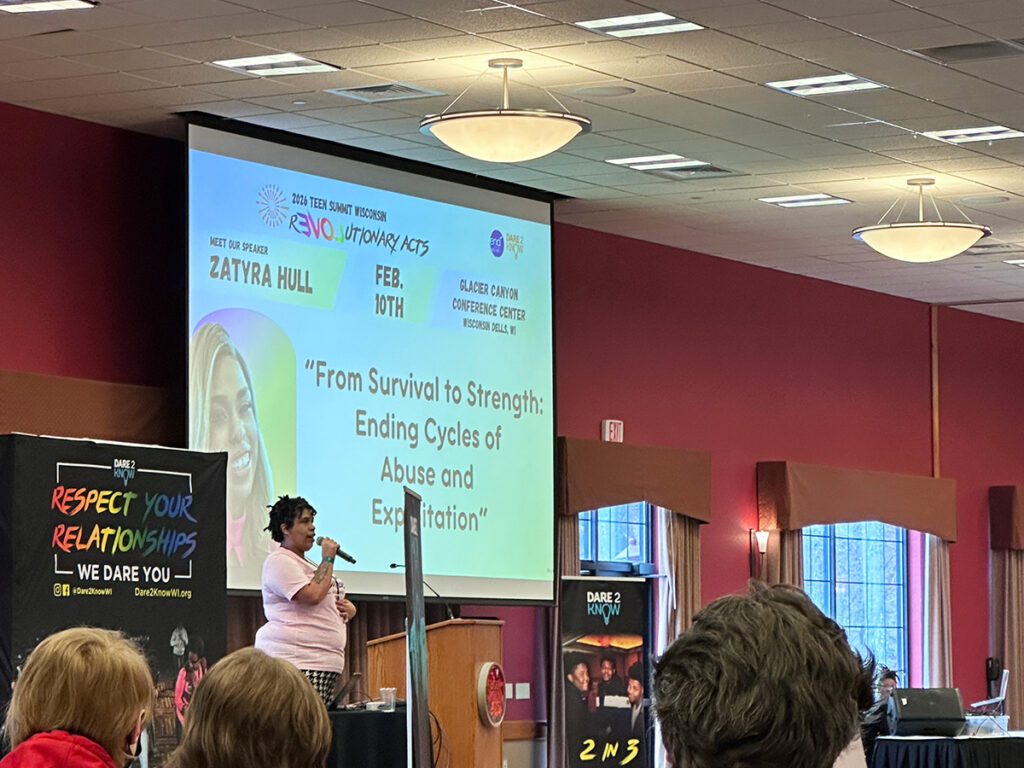
FYRE students attend a Teen Summit every year, a conference that EndAbuseWI puts on. The summit features activities and speeches led by young people from around Wisconsin, according to Heath.
The work FYRE is doing helps to prevent sexual assault, domestic violence and intimate partner violence, according to Fisher. The Sexual Assault Center itself has educational programming for all age levels, she added, and in Green Bay public schools it is part of the core curriculum.
While both SAC and HELP have provided some education in Door County schools, Fisher said it has not been as consistent as in other counties they serve.
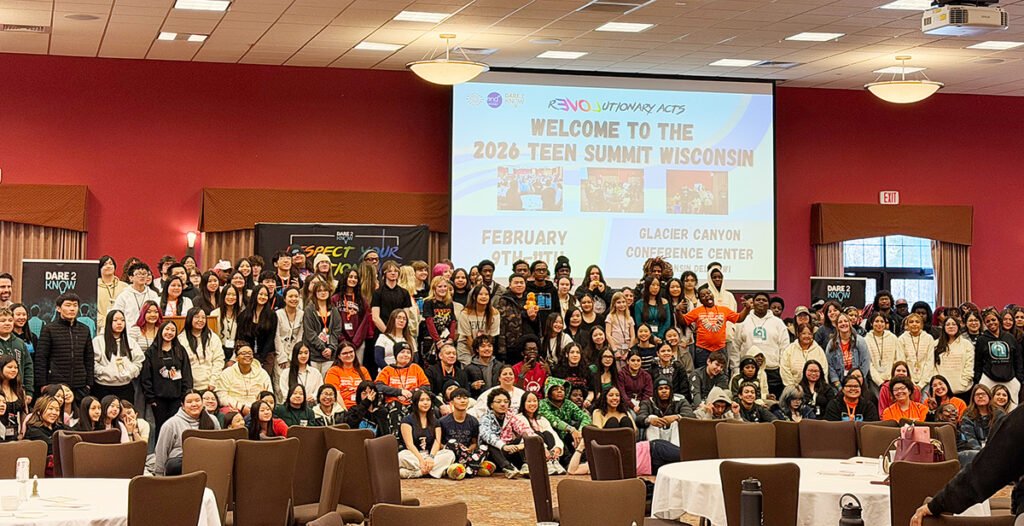
Programming like this not only serves as prevention, but it is often a large source of referrals because “kids learn what abuse looks like and what grooming and manipulation tactics are. Kids will come to a realization and make disclosures.”
While HELP is expanding services to absorb the loss of SAC’s presence in Door County, there is limited intervention programming and early prevention for youth, according to advocates in both fields.
Aaron’s story
Aaron completed Lopez’s 30-week program three times. His first time was voluntary, he said, and was court-ordered two more times. Aaron does not go into detail about his former relationship except to say there was a “violent dynamic.” His ex also attended WEAV.
Lopez said men in ATV learn tools for going forward and having healthy relationships.
“I’m standing my ground and setting boundaries,” Aaron said, and he walks away from arguments before he gets “amped up,” takes time to himself when he needs it, refuses to bad mouth partners, and tries to surround himself with people who know how to hold compassionate space for emotions.
Having that space to feel vulnerable and express emotions is crucial for men, according to Lopez.
The first time Aaron felt comfortable being vulnerable was in Lopez’s group, he said.
Trying to communicate with partners always led to conflict, he said, “I’d suck up every problem I ever had, and that led to a boiling point.”