

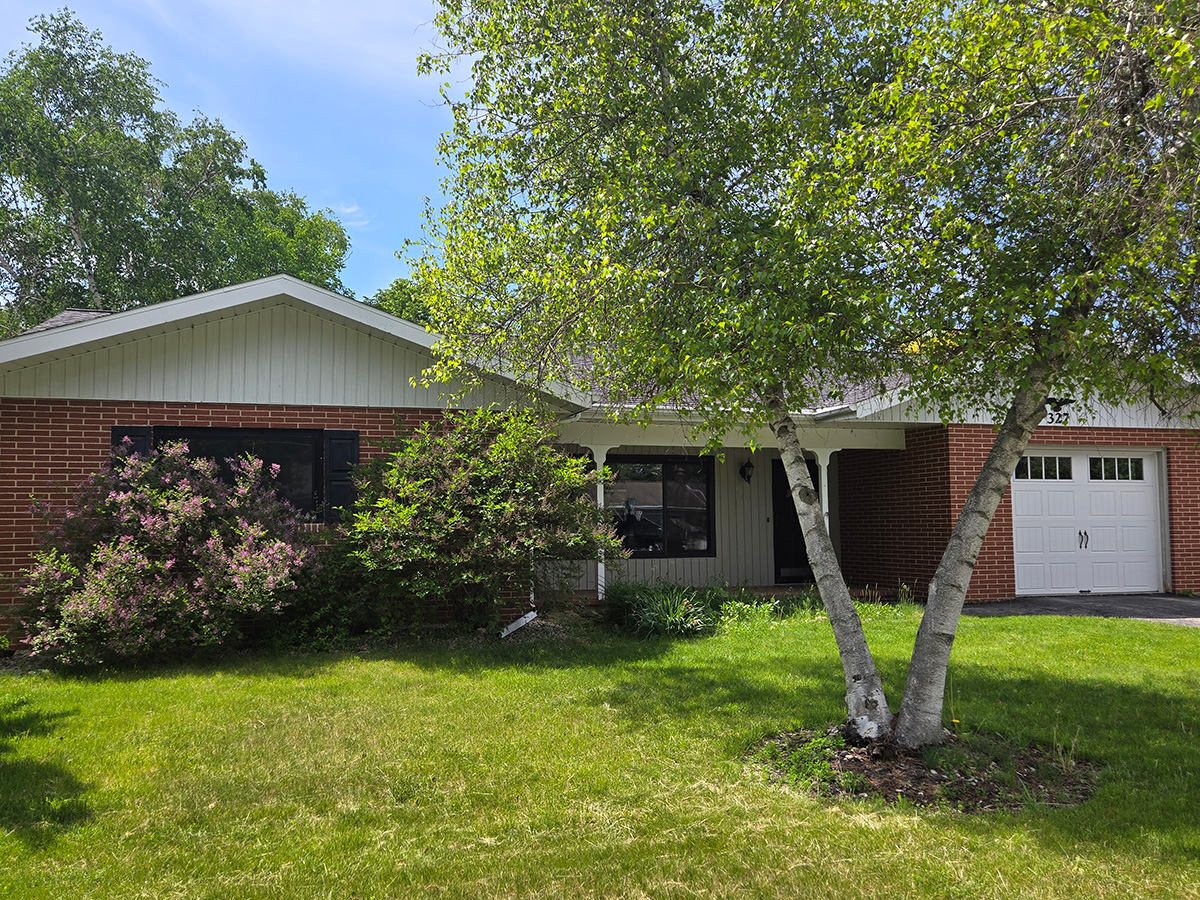
After years of identifying the need for sober living options in Door County, the Health and Human Services Department opened a six-bed facility for women in fall of 2024. Less than two years later, the house has closed.
Sober living provides a safe transitional place for people in recovery from substance use disorder. Many times, an individual’s living situation is not conducive to recovery–other people in their home might still be using drugs or alcohol, or they simply may not have an affordable or stable living situation.
The closure was relatively sudden, officials said, though the house had a rocky start and was under-utilized. County Alcohol and Other Drug Abuse programming needs a reset before pursuing another sober living model, according to HHS Director Joe Krebsbach.
Getting off the ground
Door County HHS partnered with CORE Treatment Services to open the sober living home in Sturgeon Bay.
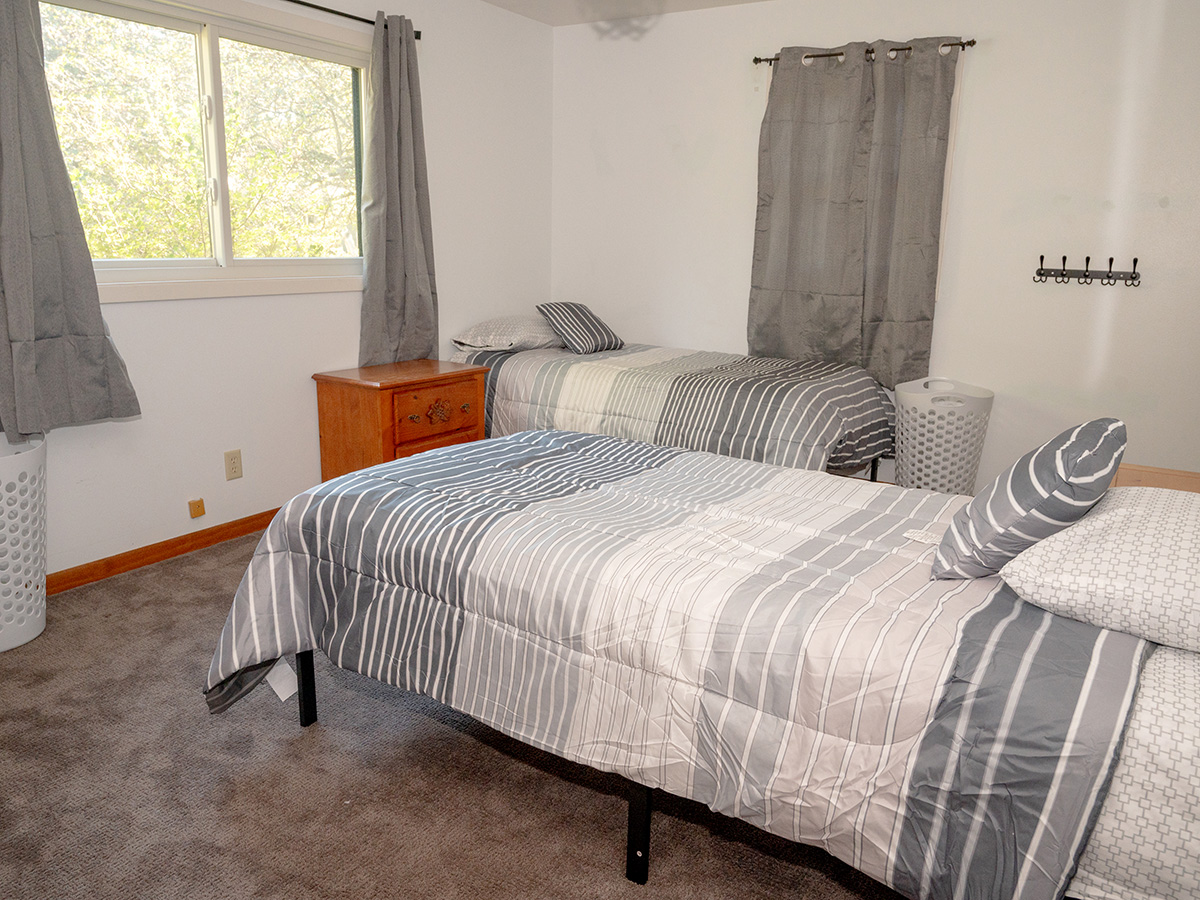
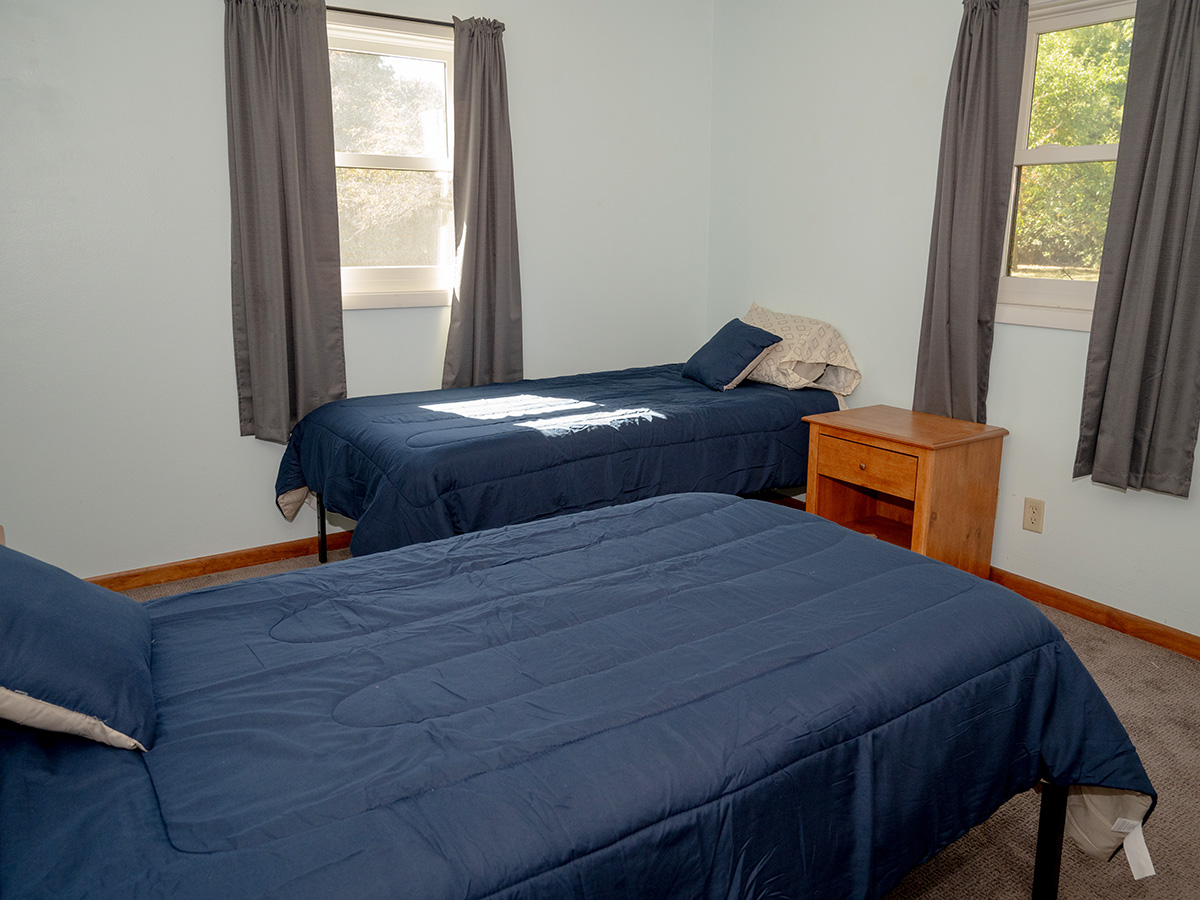
The program, which had room for up to six female clients, was the result of long-term efforts by HHS to create a stable transitional living option for county residents in recovery from substance use disorder. House residents were to receive support through county Treatment Court programming, outpatient AODA services and peer support services, according to Krebsbach.
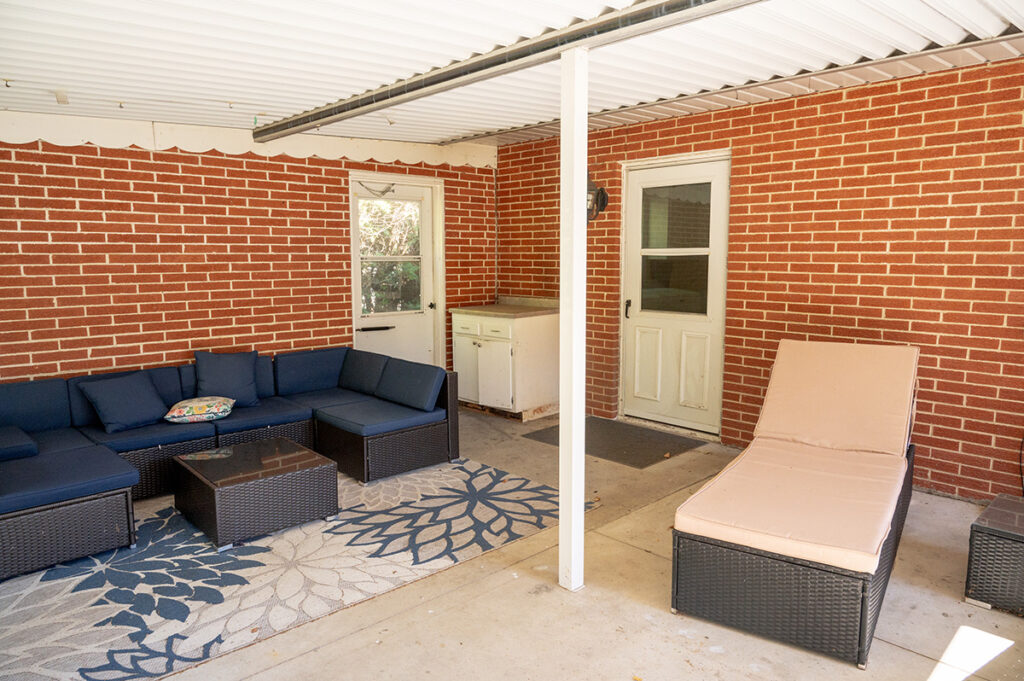
Door County used American Rescue Plan Act money and settlement funds from opioid lawsuits to fund startup and early operational costs.
The county contracted CORE to conduct a feasibility study and identify a site for the home. After considering several options, including new construction and county-owned properties, they decided to rent an existing home from a private landlord.
After securing the site, HHS and CORE continued their partnership. CORE rented and operated the house and HHS was responsible for paying a daily rate for clients. Clients were to be identified through HHS programming and services, Krebsbach said.
But house occupancy never got above two residents at a time, he said, and there were fewer than ten residents overall, creating financial and operational challenges.
Lost momentum
Krebsbach said the county made some real inroads in substance use disorder treatment and recovery when the sober living house opened.
“We had people who turned some corners in their life. We had success, we had sober living happening, we had people becoming productive citizens,” he said. “Our outpatient treatment program was going really well, and then in 2025 it all just kind of fell apart.”
A number of things converged to cause the program to derail, according to Krebsbach, but the primary reason was due to an AODA staff shortage. Staff illness, resignation and difficulty recruiting new employees caused the shortage, and the consequences reached across the department’s AODA services.
“In my 30 years I don’t think we’ve had as drastic a drop off in treatment services as we had last year,” he said.
Reduced staff meant less programming, which led to fewer referrals to the sober living house, he added. The department had to suspend the Treatment Court program due to staffing issues. Most of the referrals to sober living were coming from that program, Krebsbach said.
CORE was also going through its own internal staffing issues around that time and major leadership changes contributed to disruptions in communication and operation, he said.
HHS and CORE staff and leadership met on February 6 to “reload” the program, Krebsbach said.
“We had a very frank, good conversation,” he said, discussing things like communication issues and what each organization needed to do to get sober living back on track.
On February 9, CORE alerted county officials that its co-founder, Chris Gilbert, left the company, but that it was prepared to make staffing changes and had new plans to support the house. Everything looked good at the end of February, Krebsbach said.
Then, in less than two weeks, he said CORE notified him the company was pulling out of Door County sober living. A few days later Krebsbach learned the landlord was selling the property and the program had to be out by May 1.
The situation unfolded rapidly, Krebsbach said, and he has not received any official communication from CORE since.
CORE’s website still shows “DoCo Recovery” as one of its recovery services options and lists Stephanie Short as its contact. Short resigned as house and peer support manager in June of 2025.
Current CORE Executive Director Carmen Persaud and former director Gilbert did not respond to requests for comment.
Faulty funding structure
HHS officials said the funding structure of the sober living house made it difficult to remain sustainable. Rather than program operation–which included staffing, rent and other facility costs– the county paid CORE a daily rate for each occupant. For example, if a resident stayed in the home for 30 days, the county would pay a set daily rate for those 30 days.
CORE was responsible for the operational costs, Krebsbach explained, including roughly $2,600 per month in rent. CORE held the lease with the building’s owner.
Since HHS was in charge of placing residents in the home, and paying the daily “bed fee,” the department tightly controlled those referrals in order to control county costs, he explained.
In February’s “reload” meeting, Krebsbach said he went into it acknowledging what HHS did wrong.
“This is how we screwed up this arrangement,” he said. “What we did poorly from a human services perspective–we were trying to control too much of who got in and how.”
In hindsight, Krebsbach said the contracted daily rate arrangement, determined by CORE, was unrealistic and HHS should not have agreed to that structure. The way it was set up from the beginning really affected the long-term viability of the program, he added.
Ideally, there needs to be a balance between clients who can self-pay and supported services, he said, and that was one of the lessons learned in this experience.
What remains
With the sober living house closed now, HHS is focusing on restoring its foundational AODA services, according to leadership.
“We are back to ground zero,” Krebsbach said.
New staff–including a Treatment Court counselor and case manager position that will start in July–will help rebuild AODA outpatient services, including bringing back group therapy and getting Treatment Court up and running again. Once those programs are stabilized and functioning consistently, he said, the county will turn its attention to sober living again.
Krebsbach said he is looking at different models for sober housing and exploring options, but nothing can get off the ground again until their other programming is solid.
Other sober living facilities across the state
Hope House, operated by North Central Health Care, has sober living facilities in Antigo and Wausau.
The Antigo location is an eight-bed house for women, and the Wausau location is an eight-bed facility for men. They are both operated through a partnership between county and municipal governments and the regional healthcare system.
Marathon, Langlade and Lincoln county residents in recovery are served by the homes. Structure and peer support form the basis of the program, according to the organization’s website.
There are about 200 “recovery residences” registered with the Wisconsin Department of Health Services’ Division of Quality Assurance. Very few are entirely county-operated, and are instead run by nonprofits, churches or private operators. Local governments often support sober living through referrals, contracts, opioid settlement funds and other grants.
While Door County’s first sober living attempt has been grounded, the gap in the system still exists. Transitional and stable housing for individuals in recovery is one of the biggest gaps in local HHS services.
When residents with SUD are sent to other counties for housing and inpatient treatment, it not only costs the county a lot of money, Krebsbach said, but leads to worse outcomes for those residents. Connections and support established away from home often disappear or are hard to maintain when individuals are ready to return to Door County, he said.
While HHS works to rebuild its outpatient programming, leaders like Krebsbach are left to determine whether Door County can support successful sober living, and what models are relevant here.