


Primary elections for the Door County Sheriff and Clerk of Circuit Court positions will be held Aug. 11, ahead of the November ballot. Both offices are partisan, meaning a candidate must declare their political affiliation or fill out a Statement of Principle when filing candidacy papers. The Republican candidates for Sheriff and the Democratic candidates for Clerk will be facing off in August.
Curt Vandertie, a deputy sheriff with the Door County Sheriff’s Office, is running against Carl Waterstreet, the professional standards captain with the Sheriff’s Office, in the Republican primary for the seat held by incumbent Sheriff Tammy Sternard. Sternard is running as the only Democrat in the race, and Randy Wagner is running as an independent. Sternard and Wagner will advance to the November election without a primary.
Shannon Lauder and Pamela Parks are both running for the clerk seat as Democrats, against the sole Republican, Rebecca Rericha. Rericha will automatically advance to the November ballot to face whomever wins the August Democratic primary election.
Knock asked the four primary candidates questions regarding partisanship and their ability to empathize in their roles. Additionally, Sheriff candidates were asked their views on law enforcement surveillance technology, a recent issue in Sturgeon Bay and other communities around the state.
Sheriff
Most states hold partisan elections for the role of County Sheriff, meaning the candidate has to run under a recognized political party designation.
In Wisconsin, a candidate may also file under a Statement of Principle, as is the case with Randy Wagner, an independent running for the Door County Sheriff position.
The two Republican candidates for sheriff, Carl Waterstreet and Curt Vandertie, are both currently employed by the Sheriff’s Office.
A sheriff in Wisconsin has both statutory responsibilities and practical ones specific to the Door County office. By state law, a sheriff is responsible for jail administration, court security, emergency response, search and rescue and policing the county outside of municipal law enforcement.
The Door County Sheriff manages about 80 employees, develops the budget—$10.7 million in 2026—works with the county board, oversees collective bargaining, sets department policy on things like technology, use of force, etc., coordinates with the three municipal police departments and oversees water patrol, seasonal staffing, tourism-related policing and school resource officers.
Curt Vandertie
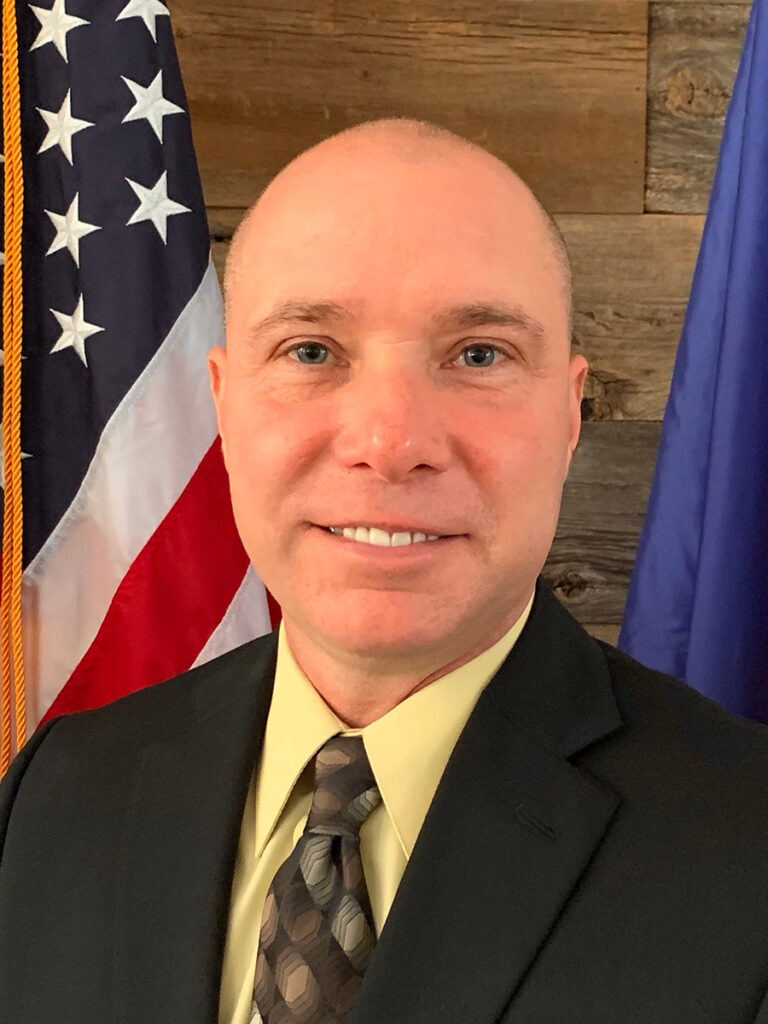
Wisconsin is one of the states that has a partisan election for sheriff. You are running as a Republican, and some voters might think that the party label tells them how you would lead. What do you think that affiliation communicates accurately about you and what doesn’t it?
Wisconsin requires candidates for sheriff to declare a political party. While I am running as a Republican, I would have preferred that the office remain nonpartisan. I believe the Sheriff should serve the people, not a political party.
In nearly three decades of public safety service, I’ve never responded to a 911 call wondering how someone voted, nor will I as your sheriff. When a family is facing one of the worst days of their lives, when someone has been the victim of a crime, when a child is missing, or when a neighbor simply needs help, politics don’t matter. In those moments, people aren’t looking for a Republican sheriff or a Democratic sheriff. They’re looking for someone they can trust to show up, make the right decisions, and treat them with dignity and respect.
The Sheriff’s Office is not about advancing political agendas. It’s about protecting constitutional rights, enforcing the law fairly, and ensuring every person is treated equally and fairly under the law. Those responsibilities never change based on someone’s political beliefs, background, faith, race or who they supported in the last election. Safety and justice are ideals we can all agree on.
Door County is a special place because we’re a community. We may not always agree on every issue, but when someone needs help, we come together. I believe our Sheriff’s Office should reflect those same values. It should be a place where every resident, every visitor, every business owner, and every family knows they will be treated fairly, listened to and respected.
My promise is simple: I will be a sheriff for everyone. A community sheriff who leads with integrity, listens before making decisions, remains visible and accessible, and earns trust through fairness, transparency and accountability. At the end of the day, the badge doesn’t belong to a political party. It belongs to the people of Door County, and that is who I will serve every single day.
The Flock security camera system used by the Sturgeon Bay police department caused robust public debate, eventually leading to the contract not being renewed by the city. There is significant public concern about oversight and privacy with some of the latest law enforcement technology. How do you view the tradeoffs and what would guide your decisions about using or adopting investigative tech?
Technology has become an important part of modern law enforcement and, when used appropriately, can be a valuable investigative tool. It has helped solve serious crimes, locate missing persons, and develop investigative leads. At the same time, I understand why people have concerns about privacy, oversight and how these tools are used. Those concerns are legitimate and deserve to be taken seriously.
While Door County does not currently use Flock cameras, I believe the broader question isn’t about one specific technology. It’s about how a Sheriff evaluates any investigative tool. My responsibility is to ensure any technology considered improves public safety while respecting the constitutional rights and privacy of the people we serve.
As Sheriff, every decision involving investigative technology would be guided by a few simple principles. It must serve a clear public safety purpose, comply with the Constitution and the law, include strong policies for oversight and accountability, and be transparent to the public. Just because technology is available doesn’t mean it’s the right fit for Door County.
The public expects law enforcement to use effective tools to protect them, but they also expect those tools to be used responsibly. I believe both expectations can be met by listening to our community, carefully evaluating new technology, and ensuring every decision strengthens public trust.
Public safety and individual liberty are not competing values, they are both essential. As Sheriff, I won’t ask the people of Door County to choose between safety and their constitutional rights. My responsibility is to protect both through thoughtful leadership, transparency and accountability.
In law enforcement, you are often interacting with people on one of the worst days of their lives. How does empathy play a role in how you approach those interactions?
In nearly 30 years of public safety service, including 17 years with the Sheriff’s Office, I’ve learned that behind every call for service is a person, a family, and a story. While law enforcement often deals with crimes and emergencies, we’re really dealing with people who are experiencing one of the most difficult moments of their lives.
I’ve stood with families after they’ve lost a loved one. I’ve comforted victims of crime. I’ve spoken with parents whose child was struggling, helped people experiencing mental health crises, and listened to individuals who simply needed someone to hear them. Those experiences have taught me that empathy is not a weakness in law enforcement. It’s one of our greatest strengths.
Empathy doesn’t mean we stop enforcing the law or lower our standards. It means we remember that every person deserves to be treated with dignity, respect and compassion. Sometimes the most important thing an officer can do is take a few extra moments to listen, explain what is happening, or simply let someone know they’re not facing that moment alone.
As Sheriff, I want to build a culture where professionalism, compassion and integrity are the standard. I want our deputies to be known not only for protecting our community, but for how they treat the people they serve. You can enforce the law while still showing kindness, respect, and empathy. In fact, I believe the best law enforcement officers do both. When people know they will be treated fairly and with dignity, we build trust, strengthen relationships and create a Sheriff’s Office our community is proud of.
The badge represents more than authority. It represents service, responsibility and the trust our community places in us. For nearly 30 years, I’ve strived to treat every person the way I would want my own family to be treated if they were facing one of the hardest days of their lives. This is the kind of leadership I will bring as Sheriff, and that’s the culture I want every member of the Sheriff’s Office to carry forward.
Carl G. Waterstreet

Wisconsin is one of the states that has a partisan election for sheriff. You are running as a Republican, and some voters might think that the party label tells them how you would lead. What do you think that affiliation communicates accurately about you and what doesn’t it?
First, I don’t agree with the law requiring sheriffs to run under a political party. A sheriff’s responsibility is to uphold the Constitution, enforce the law fairly, and serve every member of the community without regard to politics. That’s what the office should represent. It’s unfortunate that our country has become so politically divided that a question like this even has to be asked.
I’m running as a Republican because that’s consistent with the conservative values I was raised with and the values my wife and I raised our children to have. Those values are part of who I am, and I’d be dishonest if I said they don’t influence how I lead.
What they don’t determine is who I serve or how I do my job.
Throughout my career, I’ve led with integrity, accountability, hard work and respect for others. Whether I was supervising a patrol shift, leading a major investigation, managing a team at the Wisconsin Department of Justice, coaching the Sturgeon Bay football team, or serving as a captain at the Sheriff’s Office, those are the principles that guided me.
The people I served never asked if I was a Republican or a Democrat. Families who had lost a loved one wanted answers. Crime victims wanted someone to listen, help them and fight for them. Communities wanted dangerous offenders held accountable through thorough professional investigation. My responsibility was to deliver results, and that’s where my focus has always been.
I believe people earn trust through their actions, not a party label. My experience, my leadership, and my commitment to serving everyone fairly are what define me far more than the political designation that’s required to appear on the ballot.
The Flock security camera system used by the Sturgeon Bay police department caused robust public debate, eventually leading to the contract not being renewed by the city. There is significant public concern about oversight and privacy with some of the latest law enforcement technology. How do you view the tradeoffs and what would guide your decisions about using or adopting investigative tech?
Technology is constantly changing, and law enforcement is always trying to keep up with both criminals and the technology that’s available in society. At the same time, I understand why people have concerns about privacy and government oversight. Those concerns are legitimate, and they deserve to be taken seriously.
One thing many people don’t realize is that private companies already collect an incredible amount of information about us every day. Doorbell cameras, home security systems, smart devices like Alexa, cell phones, and even newer vehicles all collect data. Law enforcement can’t simply access that information because we want to. In most cases, we need legal authority through a subpoena or search warrant supported by probable cause and approved through the courts.
That’s an important safeguard, and it’s one I strongly support.
The concern with Flock wasn’t simply the technology itself. It was whether the system had sufficient oversight and whether it was being used appropriately. When law enforcement misuses technology or violates the public’s trust, there must be consequences. Public confidence depends on accountability.
As sheriff, I wouldn’t evaluate technology based on whether it’s new or impressive. I’d ask two questions. First, is it lawful? Does it comply with the Constitution, Wisconsin law and current case law? Second, what safeguards are in place to prevent misuse and protect the privacy of the people we’re sworn to serve?
If those questions can’t be answered, then we shouldn’t be using that technology. If they can, and the technology helps us solve serious crimes, protect victims or locate dangerous offenders while respecting constitutional rights, then it’s worth considering.
My years investigating major crimes, public integrity cases and officer-involved incidents taught me that technology is only as good as the policies, training and accountability behind it. That’s the standard I would bring as sheriff.
In law enforcement, you are often interacting with people on one of their worst days of their lives. How does empathy play a role in how you approach those interactions?
Throughout my career investigating child sexual assaults, Internet Crimes Against Children cases, human trafficking, homicides and officer-involved critical incidents, I’ve had to sit across from parents and families during moments that most people can’t imagine. I’ve had to tell parents their child was sexually assaulted by someone they trusted. I’ve sat with families after they lost a loved one to a senseless act of violence. I’ve also had to stand in front of parents whose child died during an officer-involved shooting and answer the hardest questions they’ll ever ask.
Those conversations stay with you forever. I hope I never have to have another one, but if I do, I know how important it is to listen, to be honest, to treat people with dignity and to simply be present for them.
Empathy doesn’t mean compromising an investigation or making promises you can’t keep. It means recognizing that every person you’re talking to is going through something deeply personal. As sheriff, I believe it’s my responsibility to make sure families know we will do everything we can to find the truth, keep them informed, connect them with resources, and treat them with compassion throughout the process.
I’ve learned over the years that people may not remember every detail of what you said, but they’ll always remember how you treated them. Whether someone is grieving, frightened, angry or looking for answers, they deserve to be treated with respect and compassion.
Those experiences have shaped the kind of leader I am today. They’ve reminded me that behind every case is a person, a family and a community that’s depending on us to do our job with professionalism, integrity and empathy.
Clerk of Circuit Court
Even though a clerk’s duties are largely administrative, the position is also a partisan one. Democratic candidates Shannon Lauder and Pamela Parks are running against each other to advance to the November election, where they will face Republican candidate Rebecca Rericha.
Lauder is currently a total quality management specialist with the Door County Health and Human Services Department. Parks is the judicial assistant to Door County Circuit Court Judge Jennifer Moeller.
Clerks’ responsibilities and duties, as outlined by the county, are as follows:
- Create, maintain, and file case records and documents.
- Prepare and maintain judgment records and docket all money judgments
- Keep minutes of court activities
- Manage Door County Jury System
- Collect fines and forfeitures and initiate collection efforts
- Monitor progress of cases being processed and provide reports and documents to state and local agencies
- Maintain warrant information
Many of these duties mean interacting with the public, helping them through often complex and confusing procedures and policies. Besides examining partisanship, questions for candidates focused on empathy and the ability to work with people during what are usually difficult times in their lives.
Shannon Lauder
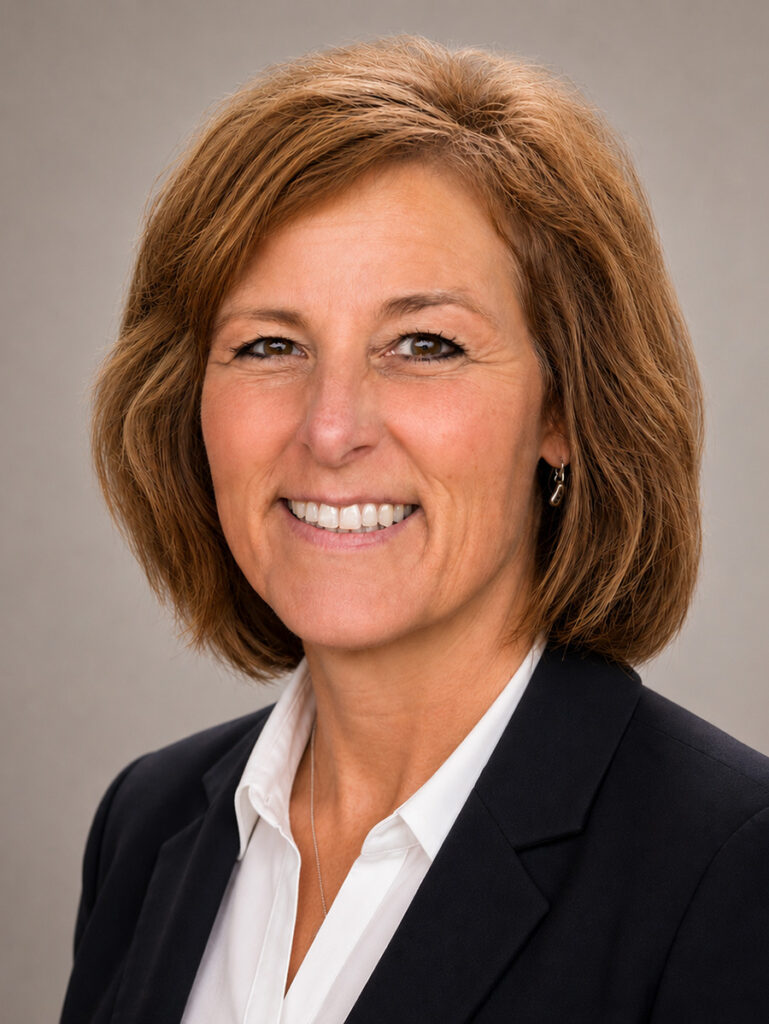
The Clerk of Court race is a partisan election. How do you see your party affiliation influencing your role—or not—if elected?
The Clerk of Circuit Court is elected through a partisan process, but the responsibilities of the office are not partisan. There is no Republican or Democratic way to maintain accurate court records, protect confidential information, manage public resources responsibly, support court operations or treat people with professionalism and respect.
If elected, my responsibility would be to serve all the people of Door County fairly and professionally, regardless of political affiliation. The Clerk works with judges, attorneys, law enforcement, county officials, employees, jurors and members of the public who bring different perspectives and beliefs to the table. My approach would be the same with each of them: communicate clearly, treat people with respect, follow the law and established procedures, and make decisions based on the duties and obligations of the office.
My party affiliation reflects the process through which I am seeking office; it would not determine how I administer the office. I have spent the past nine years in public service working with people who hold different perspectives, experiences and beliefs, and I understand that trust must be earned through how you do the work. People should be able to expect the same standard of service from their Clerk of Circuit Court regardless of who they are, whom they voted for or what political beliefs they hold. That is the standard I would bring to the office every day.
There are more and more people representing themselves in the courtroom, and procedures can be confusing. As Clerk, how would you help people understand the process?
I think one of the important responsibilities of the Clerk’s Office is helping people navigate a court system that can be confusing, especially when they don’t have an attorney.
There is an important line between providing helpful information and giving legal advice, and the Clerk’s Office must respect that line. We can make sure people are treated with patience and respect, understand where to find forms and resources, know what steps are required of them, and receive clear and consistent information about court procedures.
The staff in the Clerk’s Office have years of experience assisting individuals in these situations, and I would value their knowledge and expertise. I would work with staff to identify where members of the public most often experience confusion or have recurring questions and use that experience to improve the accessibility and usefulness of public resources, whether through the website, written materials, forms or instructions. I would also look for opportunities to make procedures easier to navigate and support consistent practices so that members of the public receive reliable guidance regardless of whom they speak with.
People may come into the Clerk’s Office during some of the most stressful or unfamiliar circumstances in their lives. While staff cannot provide legal advice, they can provide courteous service, useful resources, and clear guidance about procedural next steps. My goal would be to help ensure that members of the public can navigate their responsibilities without adding unnecessary confusion to an already difficult situation.
Can you describe a situation where you helped someone through a difficult or confusing process? What about a situation where someone’s experience changed your own perspective? What did these situations teach you about public service?
Because of my work and experience in healthcare and Health and Human Services, I have developed a deep respect for the importance of confidentiality and the responsibility that comes with protecting it. Especially in a small community, sharing a few details without using someone’s name can make it possible to identify an individual or situation, so I am very careful about discussing specific experiences.
One example I can speak about more broadly is my time managing the Operating While Intoxicated and Driver Safety Plan program in Health and Human Services. In that administrative role, I was responsible for guiding individuals through a structured process, explaining participation and financial requirements, monitoring compliance, maintaining accurate records, and completing required reporting. Many of the individuals I worked with had become involved in the judicial system and were trying to navigate unfamiliar requirements while also facing financial pressures, family challenges, and other circumstances that could make an already difficult process even more complicated.
My role required me to make sure individuals understood what was expected of them, what steps they needed to take, and the consequences of not meeting program requirements. At the same time, I had a responsibility to administer the program consistently, maintain professional boundaries and hold individuals accountable. That experience reinforced for me that accountability and compassion are not mutually exclusive. You can be clear and consistent about expectations while still treating each person with dignity and respect.
That work also changed my perspective. When you work directly with individuals involved in the judicial system, you learn that behind every case number or court record is a real person whose circumstances may be far more complicated than what appears on paper. People come into contact with the judicial system for many different reasons and may be facing addiction, financial difficulties, family challenges or other circumstances that are not immediately visible to those interacting with them.
Those experiences taught me that public service requires both consistency and humanity. You have a responsibility to follow the law, apply procedures fairly, and maintain appropriate boundaries, but how you treat people matters. You can’t solve every problem for someone, but you can listen, communicate clearly, treat people with respect, and help them understand what comes next.
That is a perspective I would carry with me into the Clerk of Circuit Court’s Office. Behind every case number, court record, and interaction is a person. The Clerk’s Office must carry out its duties accurately, consistently, and according to law while never losing sight of the people it serves. That is the kind of public service I believe in and the standard I would bring to the office.
Pamela Parks
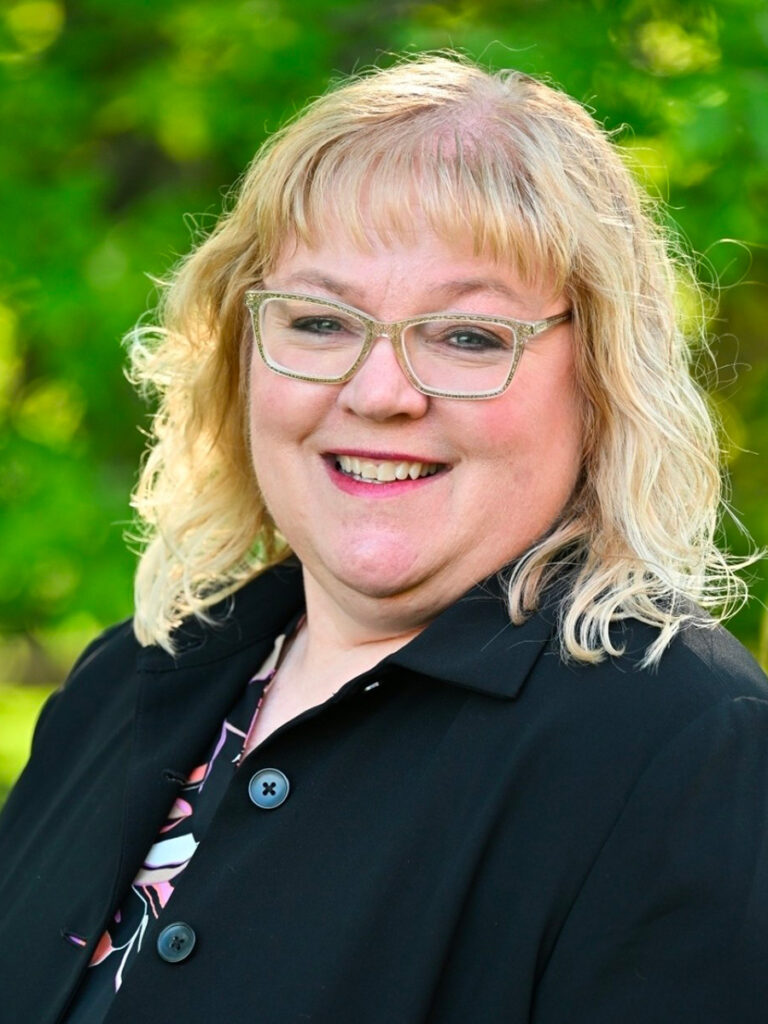
The Clerk of Court race is a partisan election. How do you see your party affiliation influencing your role—or not—if elected?
Wisconsin state constitution and statutes dictate that the Clerk of Circuit Court (COC), as well as several other county department officials, are elected positions and, once elected, guide the obligations and expectations of the COC. The COC office serves Door County’s judicial system which has two nonpartisan judges. The role and duties of the COC are not political.
The COC manages an essential county department that is key to a well-functioning court system. Door County residents expect the circuit court to run effectively, efficiently and with excellent customer service. I share that same goal. To meet and exceed these expectations, I believe that experience matters. I bring 12 years of circuit court experience to this position. I was the assistant to the Family Court Commissioner and Register in Probate for seven years and now serve as a judicial assistant and juvenile clerk.
In my current position, I work in all case types and bring valuable skills to the COC. I clerk hearings and administer oaths, manage cases, help prepare jury instructions, use the CCAP system (the State’s electronic case filing system) for case management and reports, and understand how circuit court works with its many stakeholders. I have proven dedication to circuit court as well as a passion for civic service and justice.
There are more and more people representing themselves in the courtroom, and procedures can be confusing. As Clerk of Court, how would you help people understand the process?
The Clerk of Circuit Court (COC) office assists self-represented parties with information regarding court procedures and refers people to resources when possible. However, the COC and the deputy clerks are not permitted to provide legal advice. When appropriate, individuals are referred to other county departments, local agencies, and websites that provide information, forms, and resources. For example, the Wisconsin CCAP (Circuit Court Access) website has litigant self-help resources for many types of cases to help guide self-represented parties through the court process.
Can you describe a situation where you helped someone through a difficult or confusing process? What about a situation where someone’s experience changed your own perspective? What did these situations teach you about public service?
After I received my MSW (Masters in Social Work) and early in my professional career, I worked as a domestic violence services advocate. I helped victims of abuse file for restraining orders and prepare for court hearings. Court procedures can be very challenging to understand, and even more so when mixing in a wide range of emotions and safety concerns. As an advocate, I provided services, support, and resources with compassion and respect. A decade later I received a note from someone I had supported through the restraining order process and a contentious divorce. Her life journey took her to a safer season in life, and she wanted to let me know that my help all those years earlier was the turning point. It was humbling knowing the impact. It remains a daily reminder to me that when I am assisting others in the court system, people are often at a very vulnerable moment in life. Kindness and customer service will impact many people in ways we may never hear about. Working for the County of Door, I serve the public in a meaningful way. If elected as Door County’s next Clerk of Circuit Court, I will continue to ensure that services are provided in a manner that is effective, efficient and fair to all who access the circuit court.